
Last updated October 16, 2026
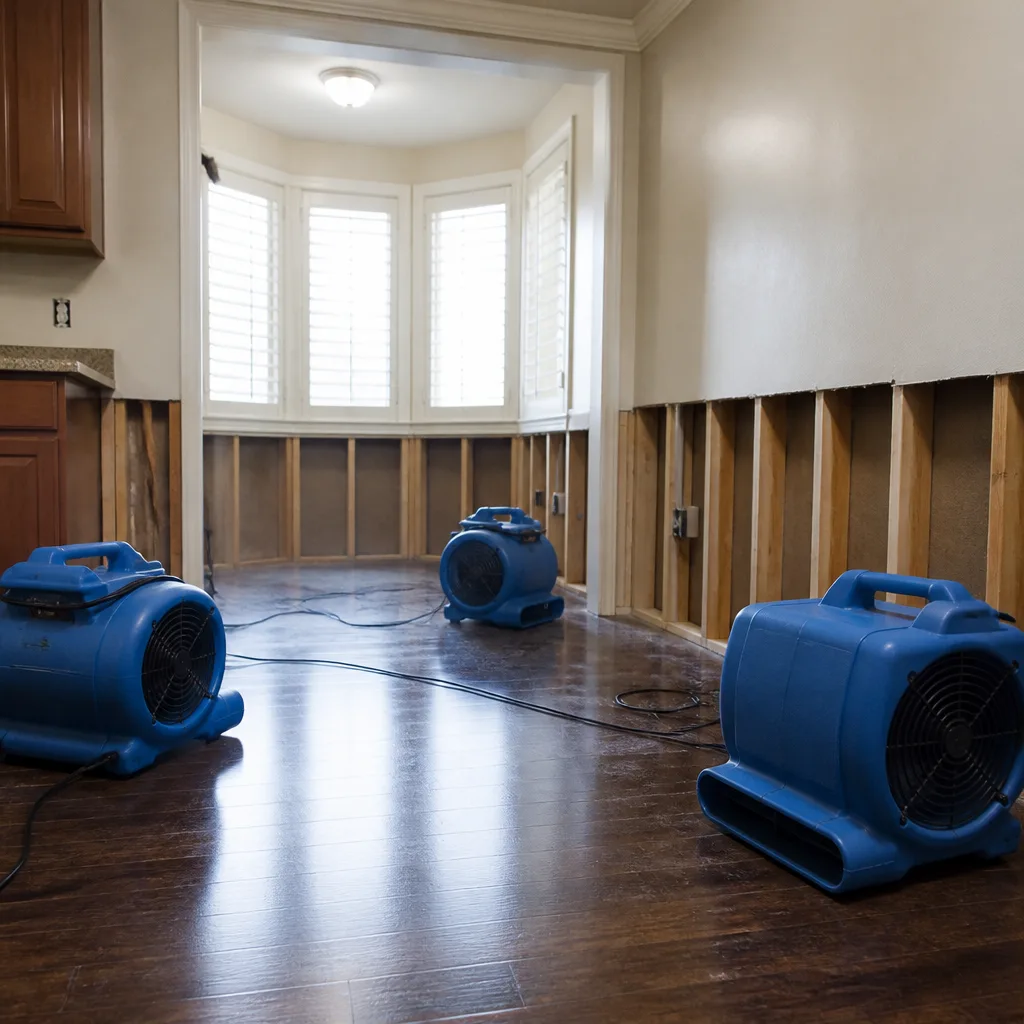 Water damage drying
 Fire & smoke cleanup
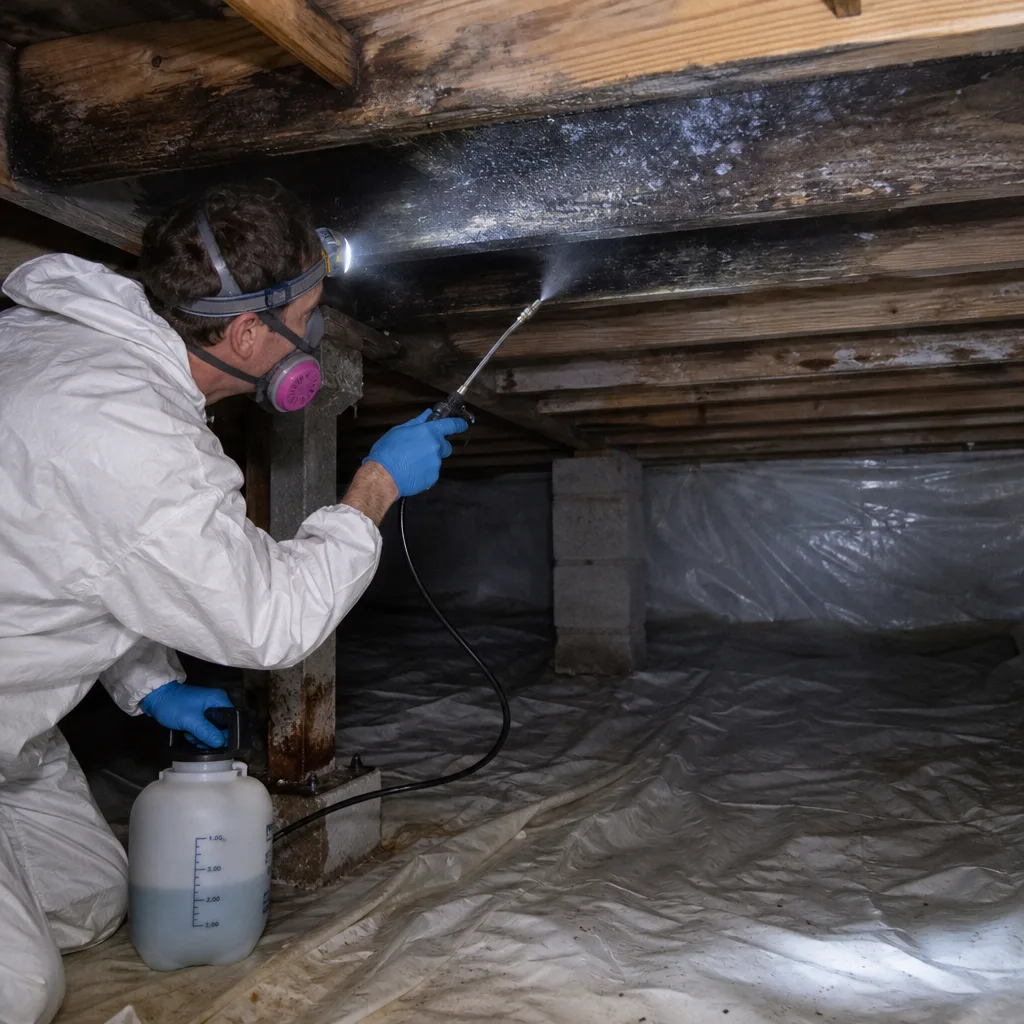
 Mold remediation
 Storm response
 Sewage cleanup
 Reconstruction
Free visual inspection and a written scope of work before any mitigation begins - photos, moisture readings, and drying logs go in your claim file
The scope we write is the scope we bill. Anything new gets shown to you, in writing, before we touch it.
Get your free estimateWater Damage Restoration Maintenance Checklist for Fort Lauderdale Homeowners
Here’s a number that sticks with you: a $45 braided supply line under your kitchen sink has an average lifespan of seven years. Most Fort Lauderdale homeowners have no idea how old theirs is, and that single hose failing overnight can produce $18,000 in cabinet and subfloor damage before you ever notice. This checklist is different from the generic “check for leaks” advice you’ve seen a hundred times. We’re going to give you exactly where to look, what normal versus worrying looks like in a South Florida home, and a realistic dollar cost to fix each item before it becomes a restoration job. You’ll walk away knowing which checks matter most in Fort Lauderdale’s specific climate, and how to document your maintenance so your insurance carrier has no excuse to deny a future claim.
Restoration work we handle
Quick Answer
The most important water damage maintenance for Fort Lauderdale homeowners happens in five places: supply lines under every sink, AC condensate drains, water heater pans and valves, interior wall cavities around windows, and flat or low-slope roof penetrations. Most issues cost between $60 and $200 to catch early, versus $3,000 to $18,000 for the restoration work that follows a failure. Run this full checklist twice a year, once in April and once in October, and log each inspection date in writing.
Our Dryden Restoration Fort Lauderdale home team has walked through hundreds of Fort Lauderdale houses after water damage, and the same pattern repeats: the failure was visible for months, but nobody knew what to look for. Here’s the full breakdown.
Table of Contents
- Supply Lines and Angle Stops: The $18,000 Component
- AC Condensate Drain Lines: Fort Lauderdale’s Biggest Hidden Risk
- Water Heater Maintenance: Anodes, Pans, and Overflows
- Window and Door Seal Checks: High Humidity’s Slow Attack
- Roof Penetrations and Hurricane Strap Corrosion
- Laundry Room and Appliance Connections
- Seasonal Timing: April, October, and January Checks
- Insurance Documentation: The Broward County Log That Pays Off
- Common Mistakes to Avoid
- When to Call a Professional
- Frequently Asked Questions
- The Bottom Line
Supply Lines and Angle Stops: The $18,000 Component
In our experience, the single most destructive component in a Fort Lauderdale home is not the roof or the water heater. It’s the braided stainless steel supply line under your kitchen or bathroom sink. These hoses have a rubber interior that degrades from chlorine in municipal water and from South Florida’s constant heat cycling. The braided exterior hides that decay until the line bursts. We’ve responded to homes in Victoria Park, Rio Vista, and Coral Ridge where a single supply line released hundreds of gallons overnight, destroying cabinetry, subfloor, and the ceiling below.
Here’s what to check, where, and how often. The pass/fail test is visual and tactile:
- Kitchen sink supply lines: Look for any discoloration, bulging, or rust on the braided mesh. Run your finger along the line; if you feel any sharp wire poking through the braid, the line has already begun to fail. Brown staining at the crimp collar where the hose meets the nut is a fail.
- Bathroom vanity supply lines: Same visual check. Also look for mineral crust at the connection points, which indicates a slow weeping leak that condensation can mask.
- Toilet supply line and fill valve: Check for a slow accumulation of water at the base of the tank. A fill valve that runs for more than 30 seconds after flushing is wearing out and stresses the supply connection.
- Angle stop valves: Turn each valve slightly toward closed and back to open once a year. If the handle fights you, crumbles, or leaks when touched, the valve needs replacement. A seized angle stop is the reason water damage spreads while you wait for the main shutoff.
What it costs to fix now: Supply line replacement runs $75 to $150 per line when done by a plumber in Fort Lauderdale, and $10 to $30 per line as a DIY project. Angle stop replacement typically runs $150 to $300 per valve. The alternative, a burst line, starts around $3,000 for cabinet and drywall repair and climbs past $18,000 when subfloor and ceiling below are involved. That math is unforgiving.
Write the installation date on a piece of masking tape and wrap it around each new supply line. Seven years later, replace it regardless of how it looks. That single habit eliminates the most common catastrophic water event we see in Fort Lauderdale homes.
AC Condensate Drain Lines: Fort Lauderdale’s Biggest Hidden Risk
A Fort Lauderdale air conditioner runs 3,000 hours a year. In that time, it pulls gallons of moisture from the air. That water flows through a thin PVC condensate drain line, usually a 3/4-inch pipe that runs from your air handler to a floor drain or outside. In our climate, that line clogs with algae, mold, and dust twice as fast as it does anywhere else in the country. When it blocks, water backs up into the drain pan, overflows, and spreads across your ceiling or floor. The first sign is often a water stain on the ceiling below the air handler closet.
Here’s the full pass/fail routine for the AC closet:
- Inspect the air handler closet in April and again in October. Open the access panel and look at the drain pan under the unit. Any standing water is a fail. A dry pan is a pass, but only if the line itself is clear.
- Find the condensate line’s exterior exit point, usually a small PVC pipe sticking out of the wall near the outdoor condenser. During a hot day when the AC is cycling, you should see a steady drip or trickle. No drip after 30 minutes of runtime is a fail.
- Check the float switch, a small device attached to the drain pan or line in most Florida homes. If it’s a modern switch, you can test it by gently lifting the float. The AC should shut off. If nothing happens, the switch is dead, and your overflow protection is gone.
- Look for staining where the drain line passes through walls or ceilings. A slow leak inside a wall cavity is often visible as a faint yellow or brown line along the drywall seam before it becomes a full failure.
What it costs to fix now: A professional condensate drain flush with a nitrogen or vacuum setup runs $60 to $120 in Fort Lauderdale. If the line is already backing up and a blowgun won’t clear it, expect $200 to $500 for a line replacement or re-route. If the overflow has already stained your ceiling, you’re into Water Damage Restoration in Fort Lauderdale territory, where drying alone typically starts at $1,500.
One more Fort Lauderdale-specific point: if your air handler sits in an upstairs closet above a finished living space, install a moisture alarm in the drain pan. A $25 battery-powered puck with two sensor probes will shriek when the pan fills. We recommend this for every two-story home in Fort Lauderdale, because the cost of a missed overflow upstairs is a ceiling replacement downstairs, and that is a $4,000 lesson.
Water Heater Maintenance: Anodes, Pans, and Overflows
Water heaters in Fort Lauderdale die differently than they do up north. Corrosion from our mineral-heavy municipal water attacks the tank liner, and the high ambient heat in garages accelerates wear. Most tank water heaters in Broward County last 8 to 12 years, on the lower end when a sacrificial anode rod is never replaced. When a tank fails, it usually leaks from the bottom, and a 40 or 50 gallon tank can release its entire contents across a garage floor and into adjoining rooms in under an hour.
Run through these items twice a year:
- Check the temperature and pressure relief valve (T&P valve): Look for moisture or mineral crust at the discharge pipe opening. A dry pipe is a pass. Any water seeping from the T&P indicates the valve is failing or the tank is over-pressurizing, either way a licensed plumber should look at it within the week.
- Test the T&P valve manually: Place a bucket under the discharge pipe, lift the lever briefly, and let it snap shut. Water should flow out and then stop completely when released. If it keeps dribbling, replace the valve. This is a $75 to $150 job.
- Inspect the drain pan: Look for water, rust, or mineral lines that show repeated overflow history. A wet pan with no obvious source means either the T&P or the tank itself is leaking.
- Check the age: The serial number on the rating plate encodes the manufacture date. Most manufacturers use a format where the first four digits are year and month, but decoding varies. If the unit is over 10 years old, budget for a replacement rather than repairing a leak that’s already begun.
What it costs to fix now: T&P valve replacement, $75 to $150. Anode rod replacement, $150 to $300, and it extends tank life by 2 to 4 years in Fort Lauderdale water. Full tank replacement runs $1,200 to $2,500 installed depending on tank size and whether a permit is required, which it usually is in Broward County.
We recommend every Fort Lauderdale homeowner know where their main water shutoff is and physically turn it once a year. When a water heater fails, the difference between a $2,000 cleanup and an $18,000 restoration is usually the 60 seconds it takes to shut off the main valve. If the valve is stuck when you need it, that’s a $150 preemptive replacement, and it’s worth every penny.
Window and Door Seal Checks: High Humidity’s Slow Attack
Fort Lauderdale’s humidity is not just uncomfortable, it’s a mechanical force. When outside air at 80% relative humidity meets an air-conditioned interior at 45% RH, condensation forms on any surface where warm air leaks through. That condensation soaks into drywall, window trim, and subflooring, and it does so slowly, over months, often without ever producing a visible puddle. By the time you see staining or smell must, mold is usually already active inside the wall cavity.
Here’s the window and door maintenance pass/fail routine:
- Inspect caulking and weatherstripping around every window and exterior door. Look for cracking, peeling, or gaps where daylight passes through. Run a damp finger along the bottom edge of each window sill; any moisture present when it hasn’t rained in 48 hours means condensation is occurring inside the wall.
- Feel for softness by pressing gently on the drywall below and beside each window opening. A spongy or yielding area is a fail. That’s water-damaged drywall, even if the paint looks fine.
- Check interior window tracks after any heavy rain. Water pooling in the track indicates failed exterior flashing or a clogged weep hole, which lets water run into the wall instead of out onto the stucco.
- Look for efflorescence on interior concrete or block walls near windows. That white crystalline powder is mineral deposits left behind by evaporating water, and it means water moves through the wall repeatedly.
What it costs to fix now: Re-caulking a typical Fort Lauderdale window runs $100 to $250 per window when hiring a handyman, and under $30 as a DIY job. Weatherstripping replacement is $50 to $150 per door. Resealing exterior flashing around a window opening runs $300 to $800. The failure case, by contrast, is a Mold Remediation in Fort Lauderdale job with a starting cost around $2,500 and no upper bound once interior framing replacement enters the scope.
Roof Penetrations and Hurricane Strap Corrosion
Fort Lauderdale’s single-family homes break into two roof categories: flat or low-slope built-up roofs on mid-century ranches, and pitched shingle or tile roofs on newer construction. Both share a vulnerability that generic national checklists miss: roof penetrations. Every pipe boot, vent stack, skylight, and HVAC curb is a hole in the roof membrane, and those seals fail from UV exposure and heat cycling years before the roofing material itself fails.
Here’s what to check, from the ground or a ladder, never by walking the roof surface without training:
- Pipe boots and vent collars: Look for cracked, brittle rubber, or gaps where the collar meets the pipe. In Fort Lauderdale’s sun, rubber boots last 5 to 7 years, not the 10 to 12 years manufacturers claim.
- Skylight curbs and flashing: Check for lifting sealant at the corners and any water staining visible on the interior drywall directly beneath the skylight. That staining is a confirmed leak, even if the skylight itself looks fine.
- Flat roof drains and scuppers: On low-slope roofs, leaves and debris clog the drains, and standing water sits on the membrane. Fort Lauderdale’s afternoon thunderstorms fill that pond and it finds the smallest breach. Any standing water 48 hours after rain is a fail.
- Hurricane strap corrosion: This is the Fort Lauderdale-specific item national checklists never include. In homes with exposed rafter tails or accessible attic eaves, look at the metal hurricane straps connecting rafters to the top plate. Those galvanized straps corrode from salty air and high humidity. White powdery corrosion is normal aging, but red rust that flakes off means the strap has lost structural strength and should be replaced before the next named storm.
What it costs to fix now: Pipe boot replacement runs $200 to $500 per penetration. Flat roof drain cleaning is $150 to $300. Skylight resealing runs $300 to $700. Hurricane strap replacement in accessible eaves runs $50 to $150 per strap when a handyman can reach them, and considerably more when drywall removal is needed. Compare that to a roof leak that’s run inside a wall for a month: full restoration and rebuild work in the affected room often starts at $8,000 and climbs fast.
Laundry Room and Appliance Connections
Laundry rooms in Fort Lauderdale are often in garages, on interior upper floors, or tucked in a hallway closet. The location changes the failure cost dramatically, but the checklist stays the same. Washing machine hoses are the second most common catastrophic failure we see after kitchen supply lines, and the difference is that washing machine hoses fail while the machine is running, which means someone is home but nobody is watching the connection.
Run these checks every six months:
- Rubber washer hoses: If your hoses are black rubber, replace them immediately with braided stainless steel. Rubber washer hoses are not rated for South Florida’s heat and pressure cycling, and they fail at the connector. This is a $25 fix that prevents a $12,000 flood.
- Braided washer hoses: Check for the same bulging, rust, and wire poking through as you checked under the kitchen sink. Also check the rubber washers inside the connectors for flattening or cracking.
- Drain hose connection: The drain hose that runs from the washer into a standpipe or utility sink can work loose over time. Make sure it’s secured with a clamp and that the end sits at least 2 inches into the standpipe opening.
- Dishwasher supply and drain: Pull the bottom kickplate off the dishwasher and look for moisture, mineral staining, or corrosion on the supply connection. A leaking dishwasher connection hides behind cabinetry and hollows out the subfloor in complete silence.
- Refrigerator ice maker supply: The thin plastic or copper line behind the fridge is the most fragile water line in the house. If it’s a plastic saddle valve style, replace it with a braided steel line and a proper angle stop. Saddle valves are code-prohibited in many South Florida jurisdictions for good reason.
What it costs to fix now: Braided washer hose pair, $25 to $50. Dishwasher supply line, $75 to $150 installed. Refrigerator line with angle stop, $150 to $300. The common thread: every one of these repairs costs less than a deductible, and every one of these failures costs more than a deductible.
Seasonal Timing: April, October, and January Checks
Fort Lauderdale’s calendar is different from the rest of the country. We don’t have a freeze-thaw cycle, but we have a dry season and a wet season, and each creates its own water damage patterns. Here’s how to schedule your maintenance so the right checks happen before the right season.
April (pre-wet-season): This is the month to prepare for the daily afternoon thunderstorms that begin in late May and run through October. Run the full supply line check, the AC condensate check, and the window and door seal check. Clean all roof drains and scuppers before afternoon storms become a daily event. Test your main water shutoff valve. If anything fails, April is the best time to fix it, because contractors book out fast once storm season starts.
October (post-wet-season): The storms are ending, and now is when you’ll see the damage they left behind. Check for new staining around windows, ceiling staining beneath skylights, efflorescence on block walls, and any softness in drywall that appeared over the summer. Inspect your roof penetrations from the ground now, because the wet season’s UV and rain combination does its worst work on pipe boots and flashing.
January (dry-season pipe stress): Our dry season means your AC runs less, indoor RH drops, and the wood framing, cabinetry, and trim in your home dry and shrink. That shrinkage opens small gaps around window trim and baseboards. More critically, it’s when you should run the angle stop exercise: turning each valve slightly open and closed to make sure none have seized. A seized valve in January is a warning, because the next time that valve is touched will be during an emergency.
Insurance Documentation: The Broward County Log That Pays Off
When a water damage claim lands on a Broward County insurance adjuster’s desk, the first question is usually: was this a sudden event or a maintenance failure? Sudden and accidental is covered. Gradual deterioration is not. Your maintenance log is the document that tips that decision in your favor.
Here’s the format that works, and it doesn’t need to be elaborate:
- Date of inspection, written plainly: “April 12, 2026.”
- What was checked, item by item. “Kitchen supply lines, bath supply lines, toilet supply, AC condensate line, pan, float switch, windows east side.”
- What was found. “All dry, no staining, no corrosion. Kitchen angle stop stiff, scheduled plumber for April 20.”
- What was repaired, with invoice number or receipt. “Plumber invoice #4487, angle stop replacement, $185.”
- Follow-up date for anything that couldn’t be fixed immediately.
A spiral-bound notebook works fine. A spreadsheet works better. Photos help most: a phone photo of the AC drain pan dry on October 3rd is worth more than a sentence saying “checked, looked fine.” Store the log in two places, because a water event can destroy the very documents that prove you were diligent.
We’ve watched homeowners in Fort Lauderdale recover full claim value because they had a dated log, and watched others see claims denied because they had nothing but a verbal assurance. The log is not about being a perfectionist. It’s about being the insured party who can prove they weren’t negligent.
Common Mistakes to Avoid
- Assuming braided stainless steel supply lines last forever. The stainless braid hides the rubber interior, which degrades from chlorine and heat. A braided line that looks fine on the outside can be months from bursting. Replace on a seven-year schedule regardless of appearance, and write the date on the line.
- Ignoring a slow AC condensate drip. A drip that leaks one cup of water per day into a wall cavity will, over a Fort Lauderdale summer, saturate framing and feed mold. We’ve opened walls where the drip had been running for two years and the homeowner never knew.
- Painting over water stains instead of finding the leak. A stain that’s been painted over will bleed through in weeks, but the framing behind it stays wet. The stain is evidence of an active problem, not a cosmetic blemish to hide.
- Not testing angle stops because they’re “fine.” An angle stop that hasn’t been moved in five years is not fine, it’s seized. It will fail exactly when you need it most: during the emergency when you’re trying to shut off water to a burst line.
- Waiting until hurricane season to clean roof drains. Once the daily storms start, contractors are booked for weeks. Flat roof drains clogged in May flood the roof in June while you wait for an available roofer.
- Assuming home insurance will cover water damage from a slow leak. Most Florida policies exclude damage from leaks that occurred over more than 14 days. A six-week-old AC overflow that stained the ceiling is a denial, which is why the documented inspection log is practical protection, not busywork.
- Running a dehumidifier forever instead of finding the leak. A damp closet with a dehumidifier running constantly means water is entering somewhere. The dehumidifier hides the symptom while the wall cavity rots. Find the source, fix it, then dry it properly or get professional drying equipment into the space.
When to Call a Professional
Some maintenance items are genuinely DIY, and we’ve marked them as such. Others are not. Call a professional when you see water staining on a ceiling below an upstairs fixture, because that means water has moved through structural framing and drying requires access you can’t get from the surface. Call when you find soft drywall, active mold growth larger than a dinner plate, or any water that has been present for more than 48 hours. Call when your AC condensate line has backed up twice in one season, because repeated clogs signal a sag in the line or a failed float switch, neither of which clears with another flush. Dryden Restoration Fort Lauderdale offers free estimates throughout Fort Lauderdale, and we’ll tell you honestly whether a problem is a $150 fix or a full restoration job. Call (754) 354-1250 before you touch a wall that might be hiding mold.
Frequently Asked Questions
Check supply lines visually every six months, and replace them every seven years regardless of appearance. In Fort Lauderdale’s climate, chlorinated municipal water and high ambient heat shorten rubber interior lifespan, even when the stainless braid looks new. Write the installation date on masking tape around each line so you never lose track. A plumber charges $75 to $150 per line to replace, while a burst line typically starts at $3,000 in water damage.
In our experience across Fort Lauderdale, the most common catastrophic source is a failed supply line under a kitchen or bathroom sink, followed closely by AC condensate drain backups and washing machine hose failures. All three have a preventive fix that costs under $150. The most expensive source per incident is a flat roof penetration leak that runs inside a wall cavity for weeks before it’s discovered.
Most home warranty policies in Broward County cover supply line replacement only after a failure, not as preventive replacement. That means waiting for a covered repair means waiting for the water damage too. The preventive replacement costs $75 to $150 out of pocket, and no home warranty covers the $18,000 restoration that follows a burst line. We advise spending the small money now, and we’ve never had a Fort Lauderdale homeowner tell us they regret it.
An AC condensate line that is beginning to clog shows one of three signs: no water dripping from the exterior pipe during AC runtime, a musty smell near the air handler closet, or water staining on the ceiling below a second-floor unit. Any of those signs means the line needs a professional flush before it backs up completely. A flush costs $60 to $120 in Fort Lauderdale and takes less than an hour.
Florida homeowners insurance policies almost universally exclude damage from leaks that occurred over more than 14 days, because that’s considered maintenance failure rather than sudden and accidental damage. This is why the documented inspection log matters: when a sudden failure happens, your log proves the home was maintained, which shifts the adjuster’s assessment toward a covered sudden event. Call us at (754) 354-1250 if you’re unsure whether visible damage matches a covered loss.
The 365-Day Done Right Promise is the written guarantee we put on every repair job. If a covered repair fails within one full year, Dryden Restoration Fort Lauderdale returns and corrects it at no charge, no arguments, no re-inspection fees. It applies to the work we performed, on the repairs we documented in writing, and it’s written into every contract we issue. It’s the reason we’re comfortable telling homeowners exactly what to check, because we stand behind what we fix. For more guides & resources, visit our blog.
The Bottom Line
Water damage in Fort Lauderdale is nearly always the result of a component that gave warning signs months in advance. Supply lines rust at the crimp. Condensate lines slow from a drip to a trickle. Window caulking cracks and hairline gaps let humid air condense inside walls. Roof penetrations dry out in the sun and open silently. None of these failures requires professional equipment to spot, and every one has a preventive fix that costs a fraction of what the restoration will. Run the room-by-room checklist in April and October, replace supply lines on a seven-year schedule, log every inspection date with a photo, and know where your main shutoff is before you need it. That’s the entire system, and it works. Written by Carl Brandt, Owner at Dryden Restoration Fort Lauderdale, serving Fort Lauderdale since 2005.
See the difference
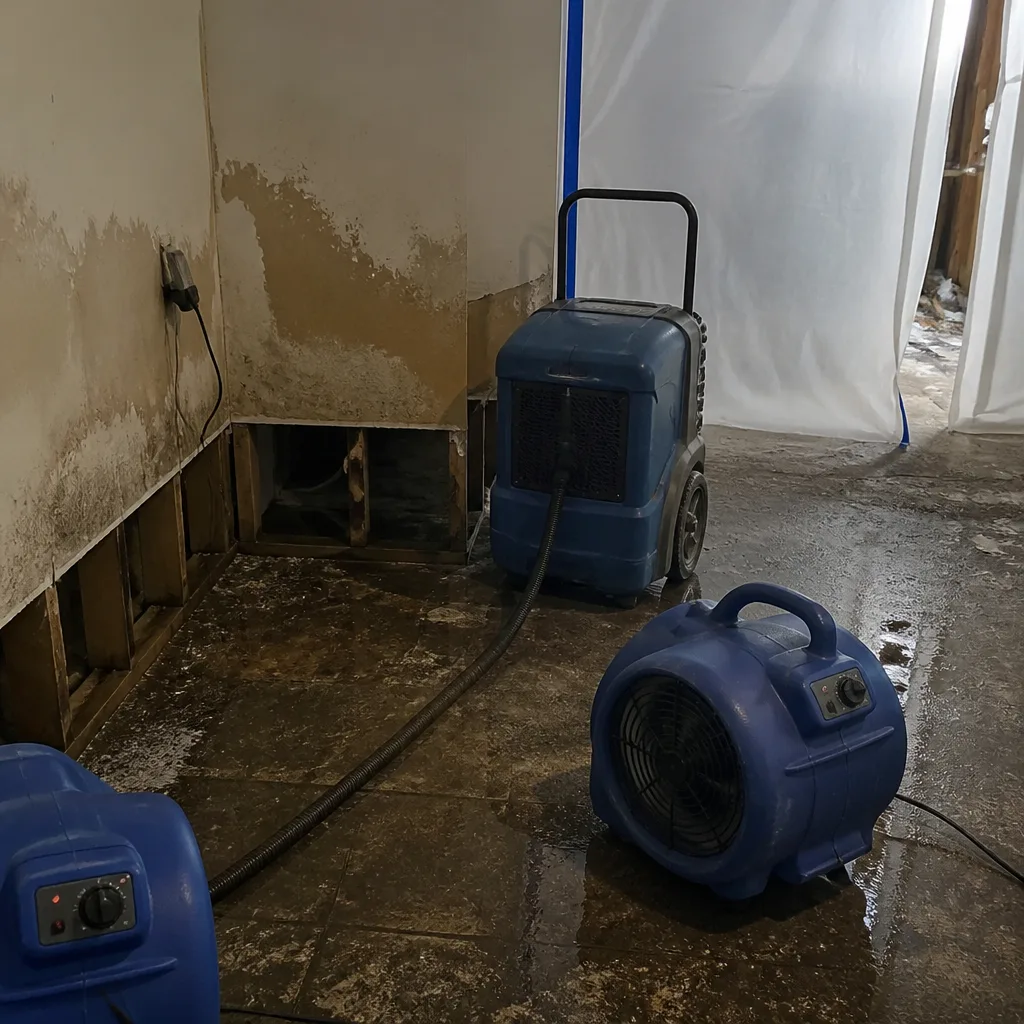 Before
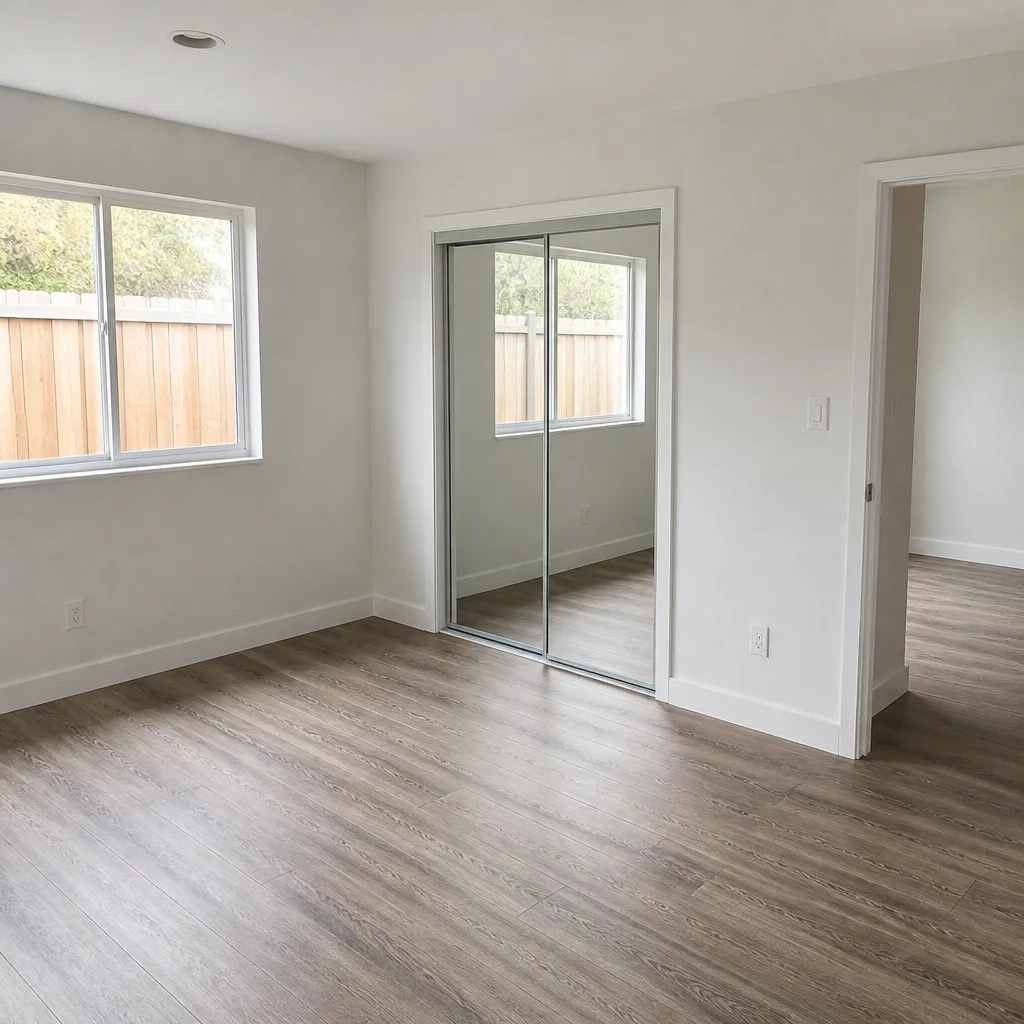 After
After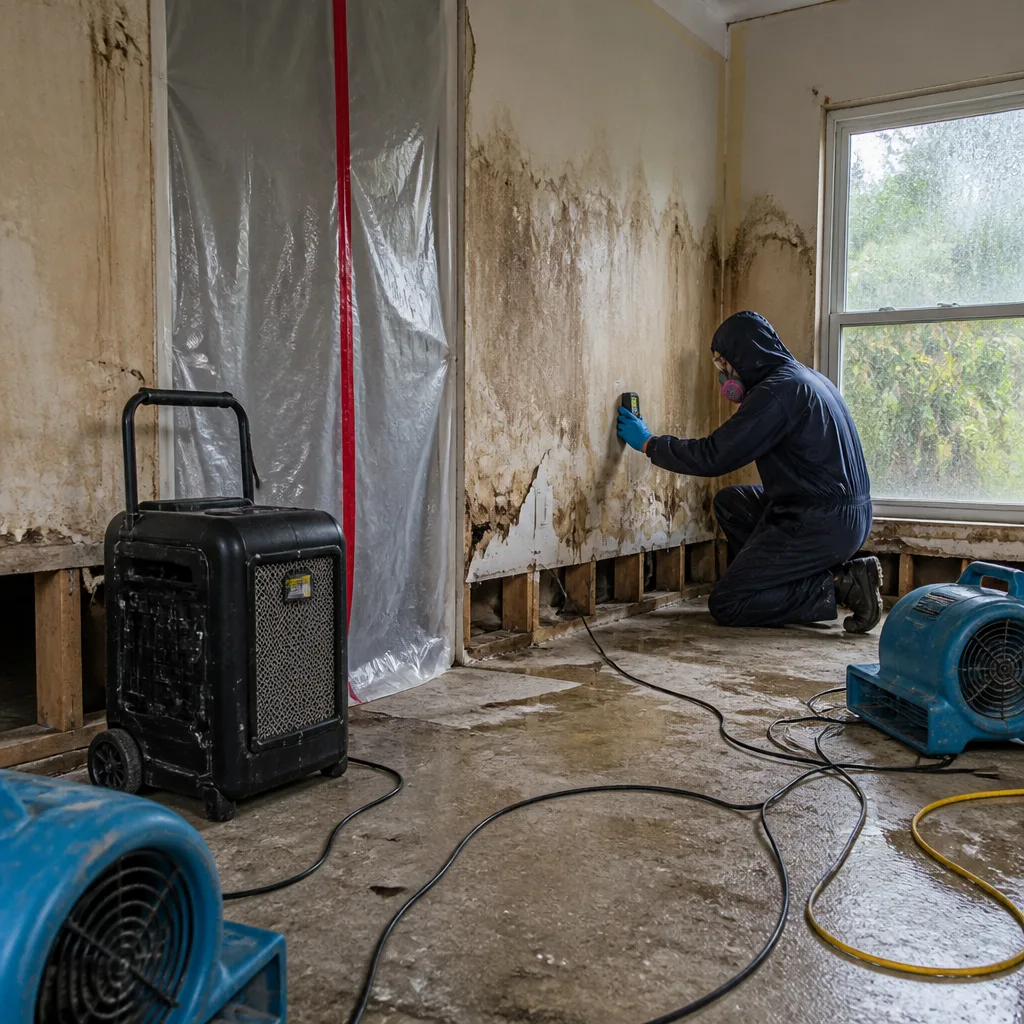 Before
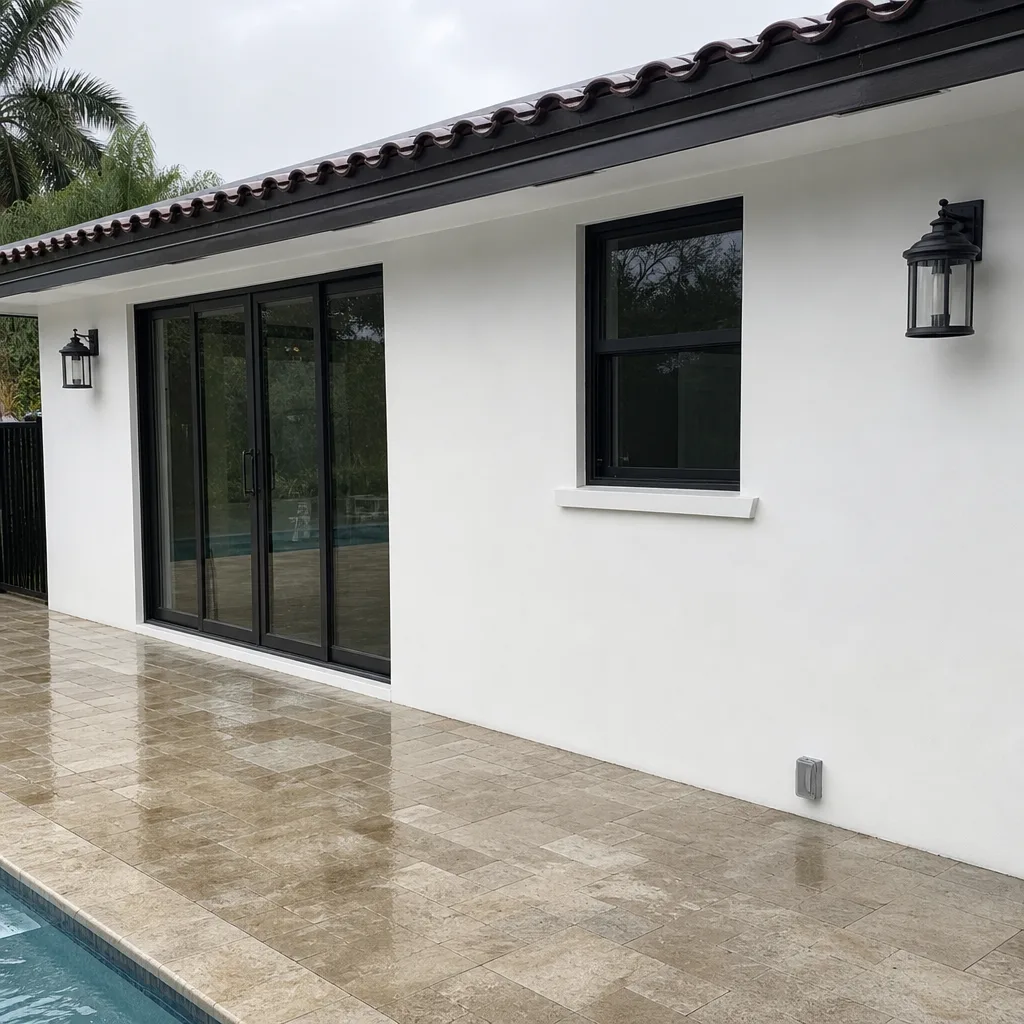 After
After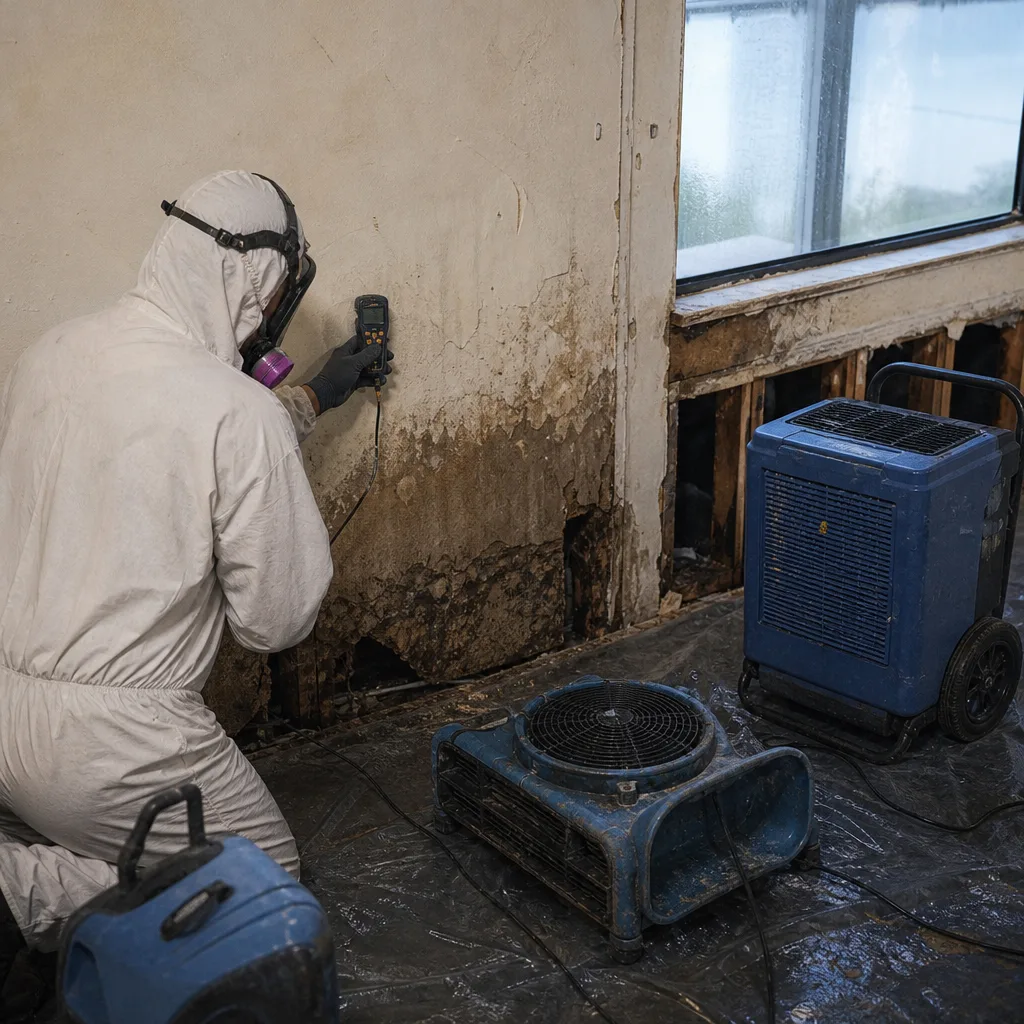 Before
 After
After