
 Water damage drying
 Fire & smoke cleanup
 Mold remediation
 Storm response
 Sewage cleanup
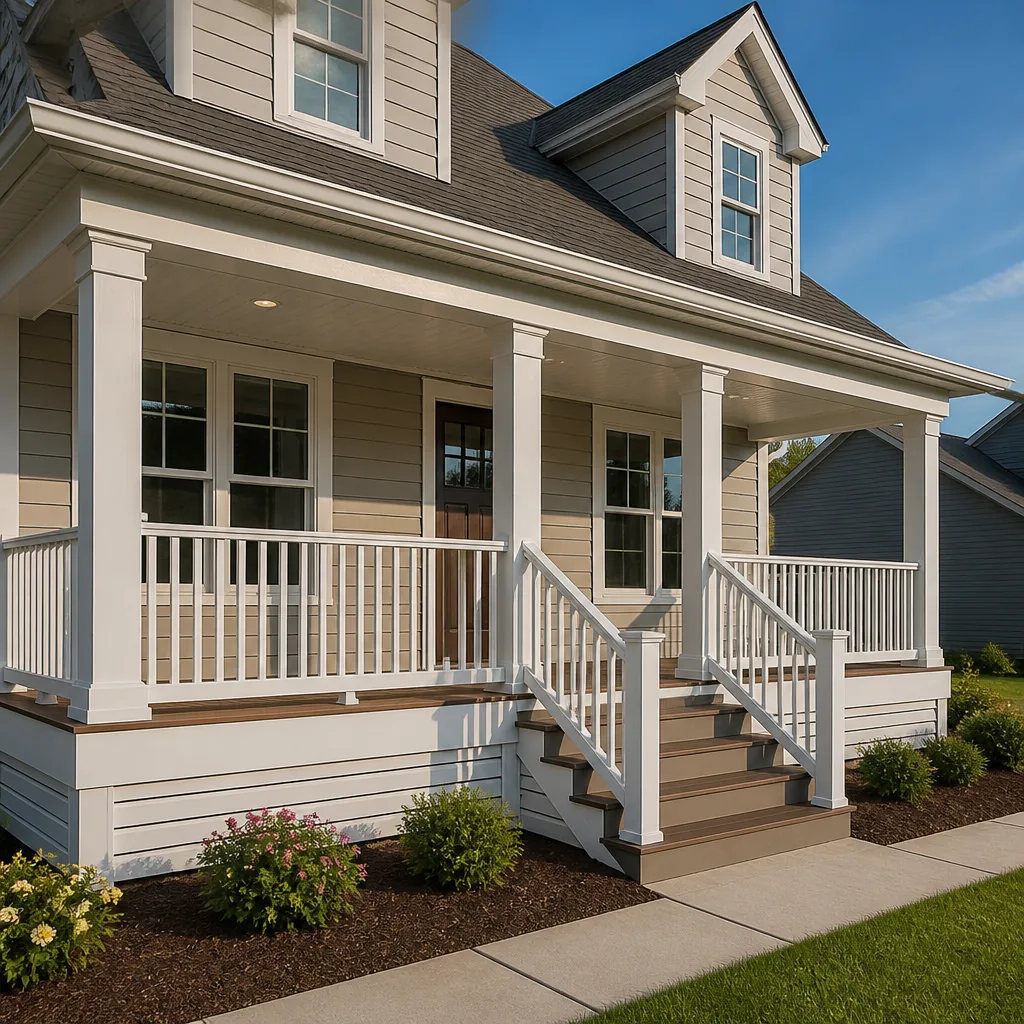 Reconstruction
Free visual inspection and a written scope of work before any mitigation begins - photos, moisture readings, and drying logs go in your claim file
The scope we write is the scope we bill. Anything new gets shown to you, in writing, before we touch it.
Get your free estimateRestoration work we handle
See the difference
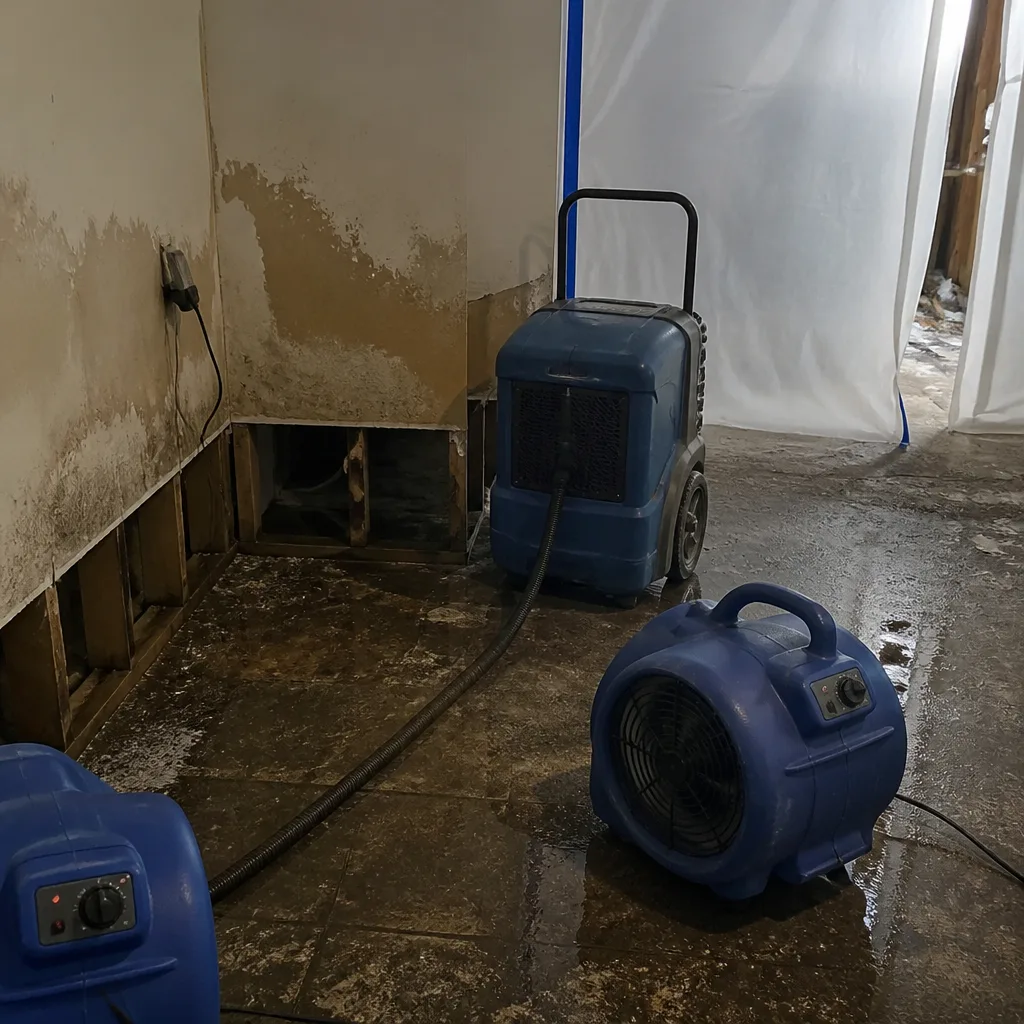 Before
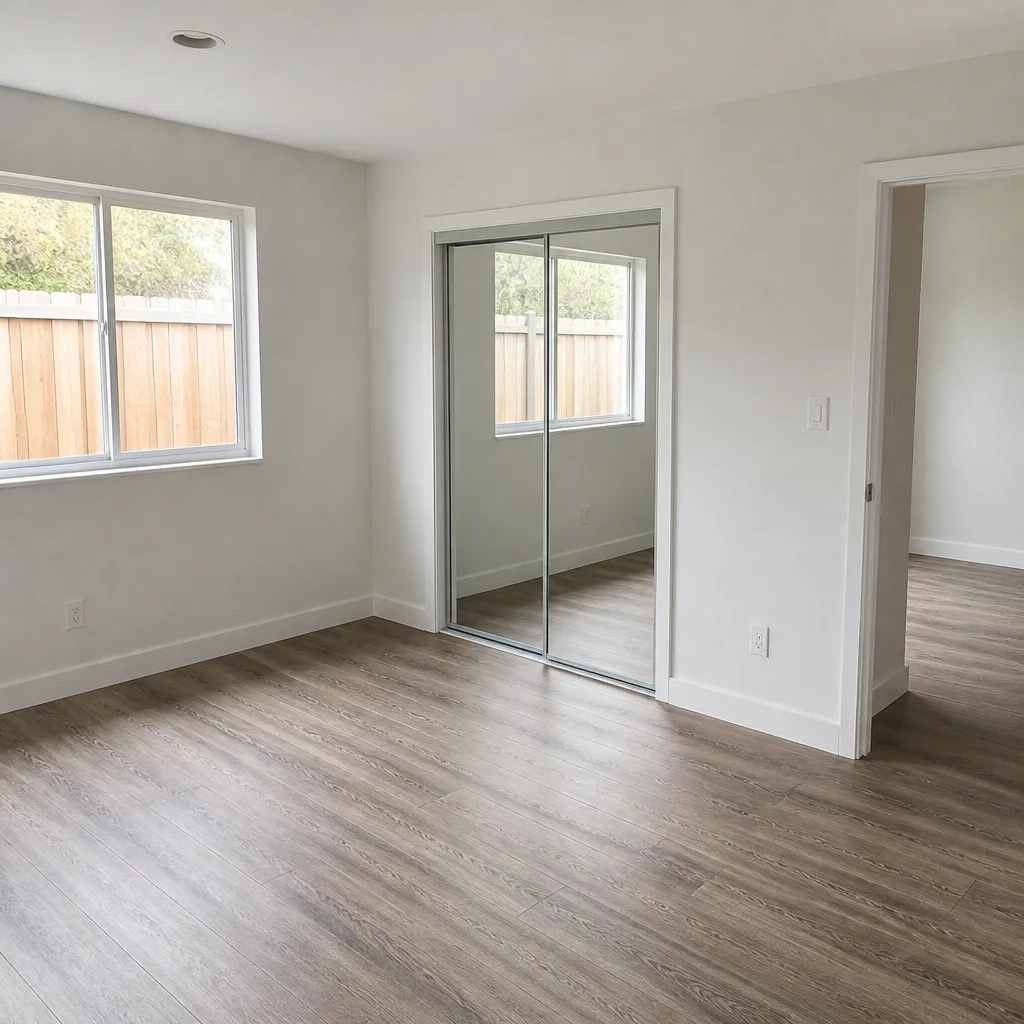 After
After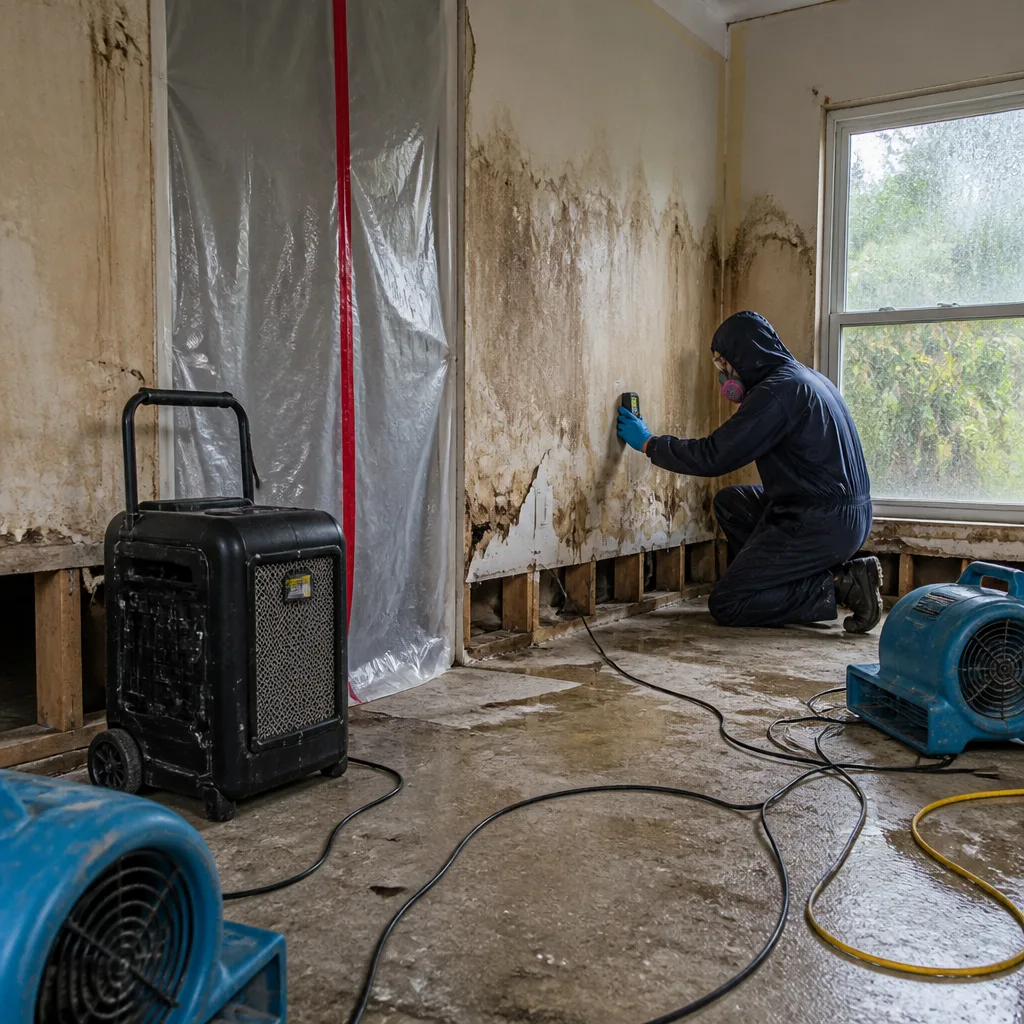 Before
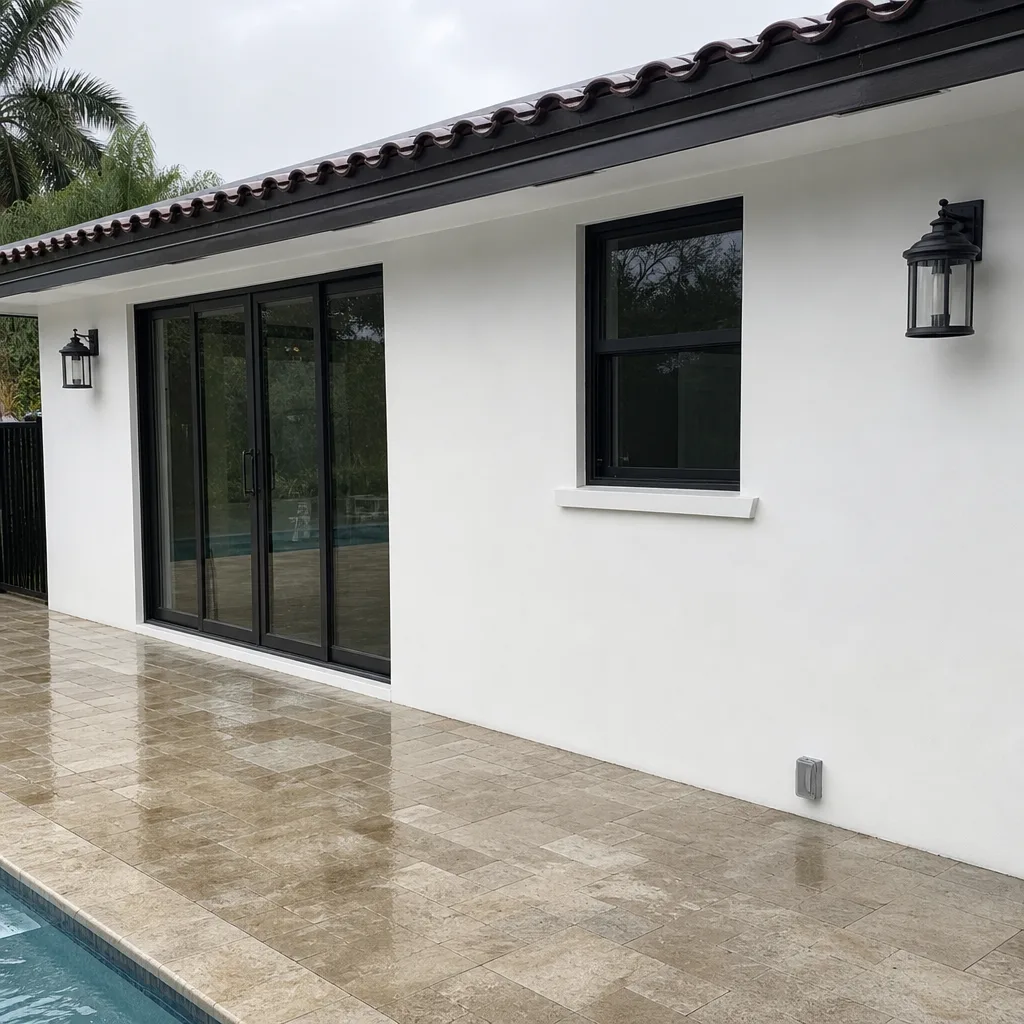 After
After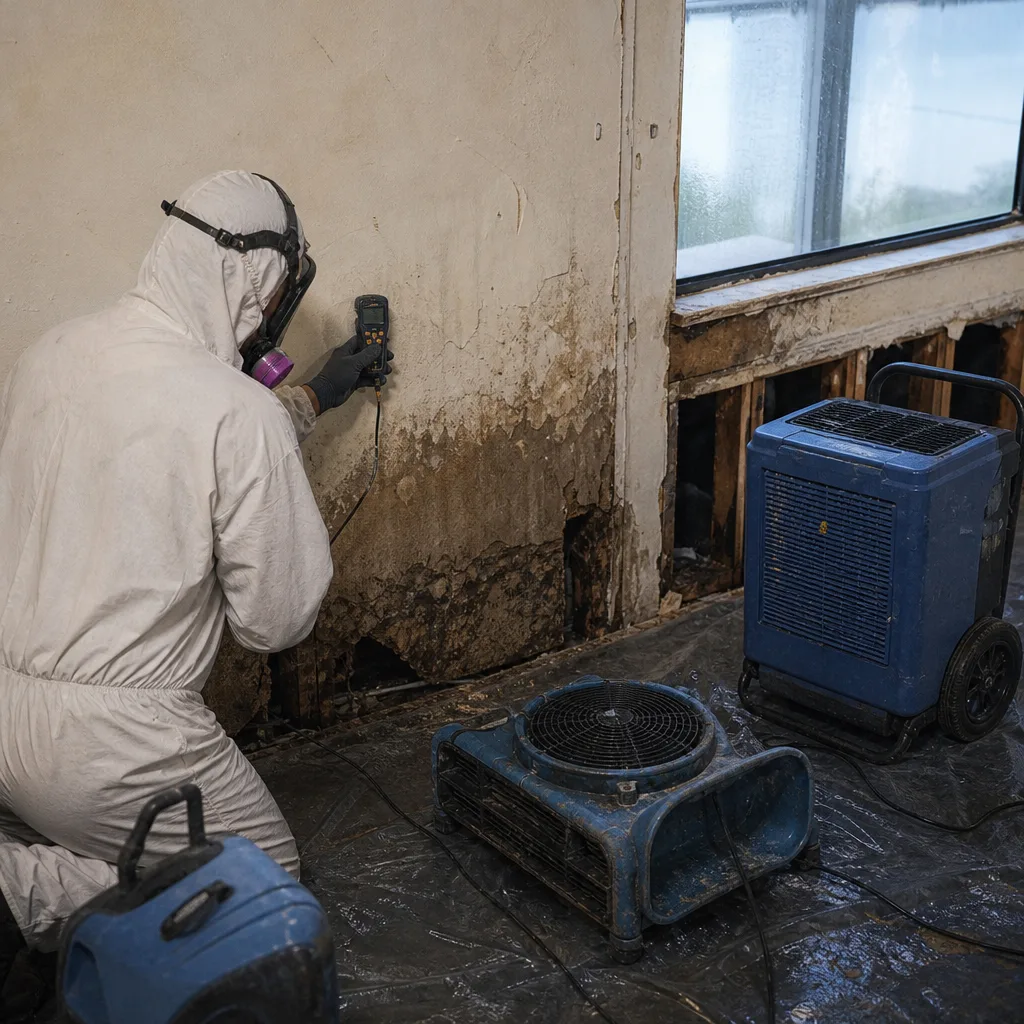 Before
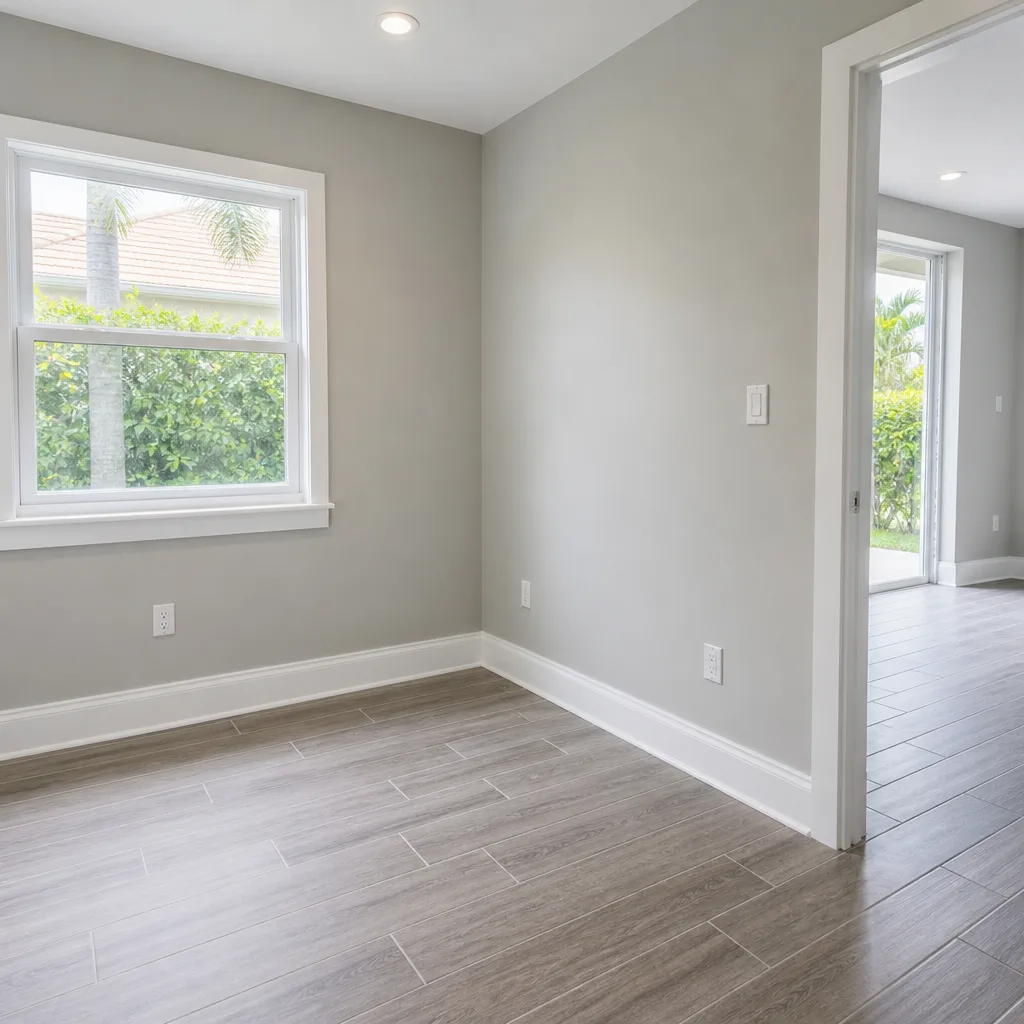 After
AfterStructural Drying & Dehumidification in Fort Lauderdale, FL
Structural drying and dehumidification in Fort Lauderdale typically costs between $1,800 and $4,200 for a standard single-room water loss, with whole-home drying projects running $6,000 to $12,000 depending on how long the water sat and how far it traveled. The work is usually completed in 3 to 5 days, not weeks, when the right equipment is placed correctly on day one. At Dryden Restoration Fort Lauderdale, our Water Damage Restoration team gives you a written price before any machine gets plugged in, and we stand behind the dry-out with a 365-day written guarantee.
If you’re dealing with water that got into drywall, subfloor, or framing, you’re already past the point where towels and box fans will fix it. Our full Water Damage Restoration in Fort Lauderdale process covers extraction, drying, and rebuild, but this page focuses on the drying phase itself: the equipment, the monitoring, and the numbers. Call (754) 354-1250 any hour, any day. A live person answers. That’s how we’ve operated since 2005.
When You Need Structural Drying & Dehumidification
Surface water is easy to see. Structural moisture isn’t. It hides inside wall cavities, under vinyl plank flooring, and in the bottom plates of your framing. Here in Fort Lauderdale, our 75% average daily humidity means that water inside building materials doesn’t evaporate on its own, it just spreads and feeds mold. Here’s when professional drying is genuinely necessary:
- Water ran into walls or under baseboards. Drywall acts like a sponge. If the bottom 12 to 24 inches got wet, the moisture wicks upward behind the paint, where you can’t see it. In homes across Victoria Park and Rio Vista, we regularly find moisture 3 feet above the visible water line.
- Flooring feels spongy or smells musty after a leak. Tile can look dry while the subfloor underneath stays saturated. Luxury vinyl plank and laminate trap water underneath, creating a sealed humid chamber. That musty smell in Coral Ridge or Sailboat Bend is usually moisture trapped under flooring, not just “old house smell.”
- A supply line, water heater, or AC drain pan has leaked for more than 24 hours. After a full day of exposure, water has moved into porous materials. In hot weather, which is most of the year here, mold can begin colonizing wet drywall within 48 to 72 hours. The clock matters.
- You can see or feel efflorescence on concrete block walls. That white, chalky powder is mineral salts left behind when water moved through the block and evaporated. South Florida homes built with CBS construction (concrete block stucco) hide moisture very well. Efflorescence means water has been traveling through the wall, and the interior of that block is still wet.
- A toilet, tub, or washing machine overflowed onto carpet or wood. Category 2 water (grey water) carries soap residue and organic matter. Even after you clean the surface, the padding underneath holds contaminated moisture. Drying without removing the affected pad is a shortcut we don’t take.
- An insurance adjuster or plumber told you to “just air it out.” We hear this from homeowners in Harbordale and Poinsettia Heights all the time. Open windows in South Florida humidity make things worse, not better. If someone without a moisture meter told you you’re fine, get a second opinion. You can’t dry a structure with optimism.
Our Structural Drying & Dehumidification Process
We follow the same drying science used on large commercial losses, scaled for your home. The term for it is psychrometric drying, which simply means we measure temperature, relative humidity (RH, which is how much moisture the air is holding), and the moisture content of your materials every single day, then adjust our equipment based on what those numbers tell us. We use Dri-Eaz and Phoenix equipment, the same professional grade machines you’ll find on hospital and hotel dry-outs, and our technicians are trained to IICRC, RIA, and IFA standards.
Here’s exactly what happens when you call (754) 354-1250:
- Assessment and written scope, before any work starts. A Dryden technician walks the entire affected area with a moisture meter and thermal imaging camera. You get a written price and a named arrival window before we unload a single piece of equipment. This is the Kingswell Way: say the price before the work.
- Water extraction. Standing water comes out first with truck-mounted or portable extraction units. Every gallon we remove mechanically is a gallon the dehumidifiers don’t have to pull from the air, which shortens your drying time and lowers your power bill.
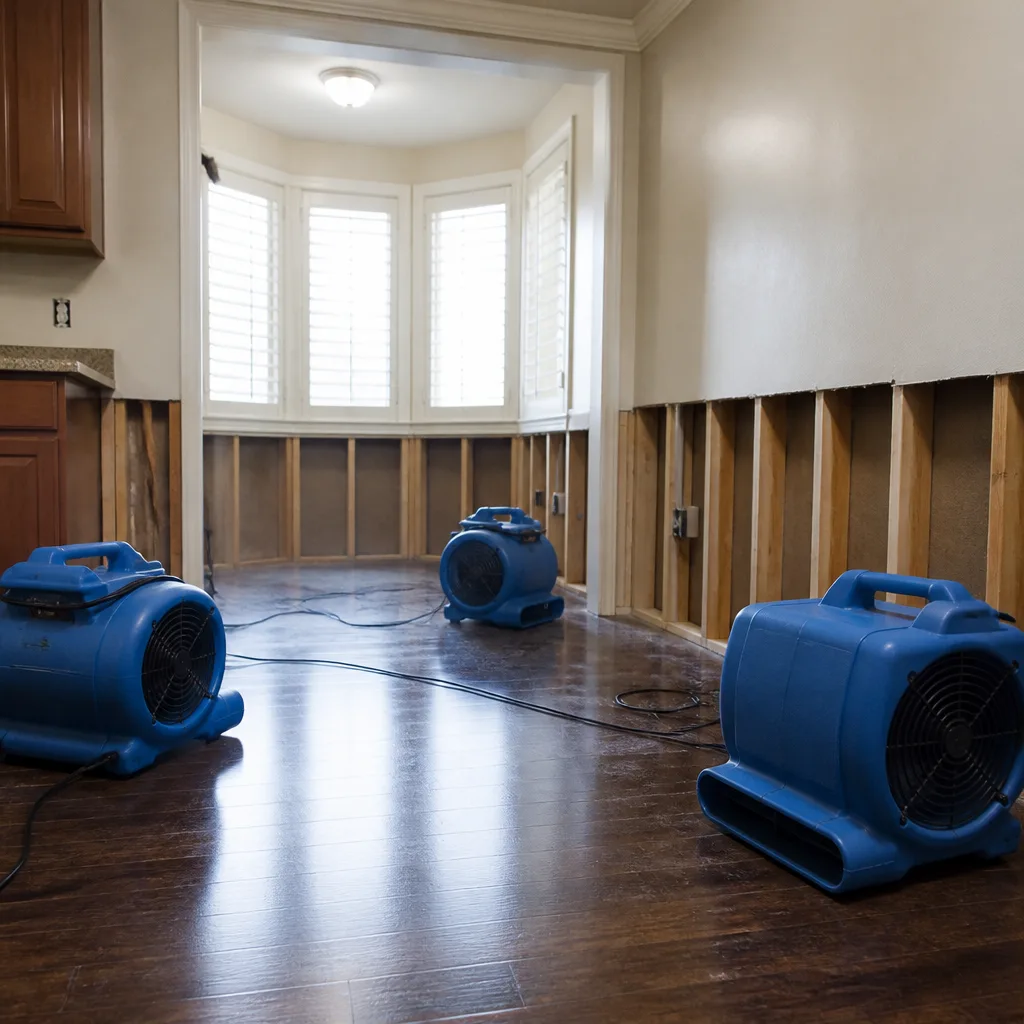
- Selective removal of unsalvageable materials. Saturated carpet padding, wet drywall, and swollen baseboards usually come out on day one. Leaving them in place slows the entire dry-out and creates a mold risk. We cut straight lines, document everything for your insurance claim, and leave the affected area as clean as we found it.
- Placement of air movers and dehumidifiers. We position high-velocity air movers at specific angles to create airflow across every wet surface, not just anywhere in the room. Then we set low-grain refrigerant (LGR) dehumidifiers, usually Dri-Eaz or Phoenix units, to pull moisture from the air and from the materials themselves. On walls and hard-to-reach cavities, we may set up an Injectidry panel system that pushes dry air directly into wall and under-floor cavities.
- Daily monitoring and adjustment. A technician returns every day to record moisture readings, reposition equipment as materials dry unevenly, and confirm the structure is hitting its drying goals on schedule. You’ll see the numbers. Drying isn’t a guess, it’s a measured process.
- Final verification and documentation. On the last day, we confirm that every affected material is back to its dry standard (the moisture level it held before the loss). You get a written record of the readings. Then we walk the property with you to make sure the place is cleaner than we found it. The Kingswell Way, every time, in writing.
Structural Drying & Dehumidification Pricing in Fort Lauderdale
Transparent pricing is the point. You’ll get a written number before we start, and that number does not change at the door. Here’s How Much Does Water Damage Restoration Cost? (2026 Price Guide) - Fort Lauderdale, FL, based on the work we’ve done across Broward County since 2005:
- Single room or small contained area (bathroom, laundry closet, small closet): $1,800 to $2,800
- Medium loss (one large room or connected area, e.g., kitchen plus adjacent hallway): $2,800 to $4,200
- Multi-room loss (two or more rooms, or water that traveled through walls): $4,200 to $7,500
- Whole-home or large commercial-style dry-out: $7,500 to $12,000+
Your actual number depends on how many air movers and dehumidifiers are needed, how many days the equipment runs, how much material needs removal and replacement, and whether we need specialty systems like Injectidry panels for walls or under-floor cavities. Every job is priced on its own scope, and you see that scope in writing before work begins.
We also work directly with insurance carriers. Many Fort Lauderdale homeowners searching for Water Damage Restoration Near Me in Fort Lauderdale, FL have water damage coverage that includes structural drying. We document everything in claim-ready format. If you’re unsure what your policy covers, call us. We’ll walk you through it without pressure. Estimates are free.
FAQs – Structural Drying & Dehumidification
How long does structural drying take in Fort Lauderdale?
Most residential structural drying jobs in Fort Lauderdale take 3 to 5 days from equipment placement to final moisture verification. Florida’s high humidity means dehumidifiers run longer here than in drier climates, but properly placed equipment still gets most materials dry in under a week. Factors that extend drying time include how long the water sat before we arrived, whether multiple rooms are affected, and whether materials like plaster or hardwood are involved. Call (754) 354-1250 and we’ll give you an honest timeline for your specific situation.
Can I dry the structure myself with fans and my home AC?
No, not effectively in South Florida. Box fans and a residential air conditioner move air and cool surfaces but they don’t remove enough moisture from wall cavities and subfloors to prevent mold or structural damage. Professional LGR dehumidifiers from brands like Phoenix and Dri-Eaz remove 20 to 30 pints of water from the air per day at low humidity levels, far beyond what a home AC system or rental dehumidifier can pull. If water got behind baseboards or under flooring, call our Basement Water Removal professionals before the 48-hour mold window closes.
Will my homeowners insurance cover structural drying?
In most cases, yes. Standard Florida homeowners policies cover water damage from sudden and accidental events, including supply line breaks, appliance failures, and water heater ruptures. Structural drying and dehumidification fall under that coverage. Gradual leaks that have been ongoing for months are usually excluded, which is one more reason to address any water intrusion quickly. We document every reading and every piece of equipment for claim submission. If you want to know what your policy says, call us and we’ll help you understand it. The estimate is free.
What is the 365-Day Done Right Promise?
It’s a written guarantee that goes home with you on every Dryden job. If the structural drying work we perform fails within a full year, meaning moisture returns in the areas we dried or mold appears due to incomplete drying, we come back and correct it at no additional cost. This isn’t a verbal assurance, it’s in writing, and it’s triggered by one simple thing: you call us and tell us the repair failed. No fine print, no runaround. That’s the Kingswell Way: put the guarantee in writing, and come back if it fails.
Do you handle the rebuild after drying is complete?
Yes. Once your structure is dry and verified, we can handle the entire repair scope, from replacing drywall and baseboards to rebuilding flooring and repainting. Many Fort Lauderdale homeowners ask us to manage the full job because it eliminates the finger-pointing between a drying company and a separate contractor. One written scope, one written price, one written guarantee. Call (754) 354-1250 for a free estimate on the complete restoration.
Will you work with my insurance adjuster directly?
Yes, we handle insurance claim documentation as a standard part of every drying job. Moisture readings, daily logs, equipment records, and photos are provided in claim-ready format. Our goal is to make the process easier on you, not add a paperwork burden. Call us and we’ll explain exactly what your claim needs from us.
Call Dryden Restoration Fort Lauderdale
Water in your walls or under your floors isn’t going to dry on its own in this climate. The longer it sits, the more it costs to fix. Call (754) 354-1250 now and you’ll get Carl or another member of the Dryden team on the line, not a voicemail. We’ll give you a straight answer about what you’re dealing with, a free estimate, and a written price before any work begins. We serve all of Fort Lauderdale, from Victoria Park to Riverside Park to the beach communities, and we show up in the window we gave you. Uniformed, background-checked, and ready to get your home dry.
Written by Carl Brandt, Owner at Dryden Restoration Fort Lauderdale, serving Fort Lauderdale.