
Last updated October 16, 2026
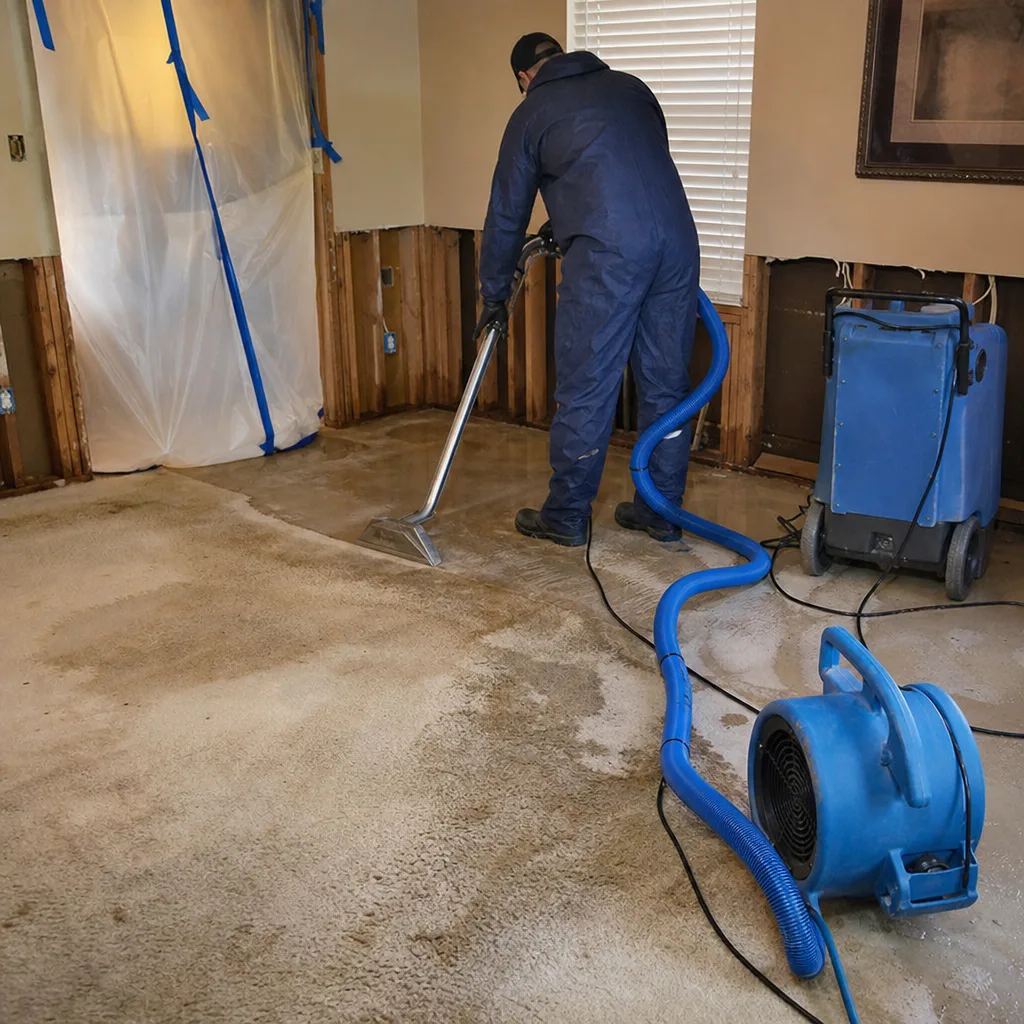
 Water damage drying
 Fire & smoke cleanup
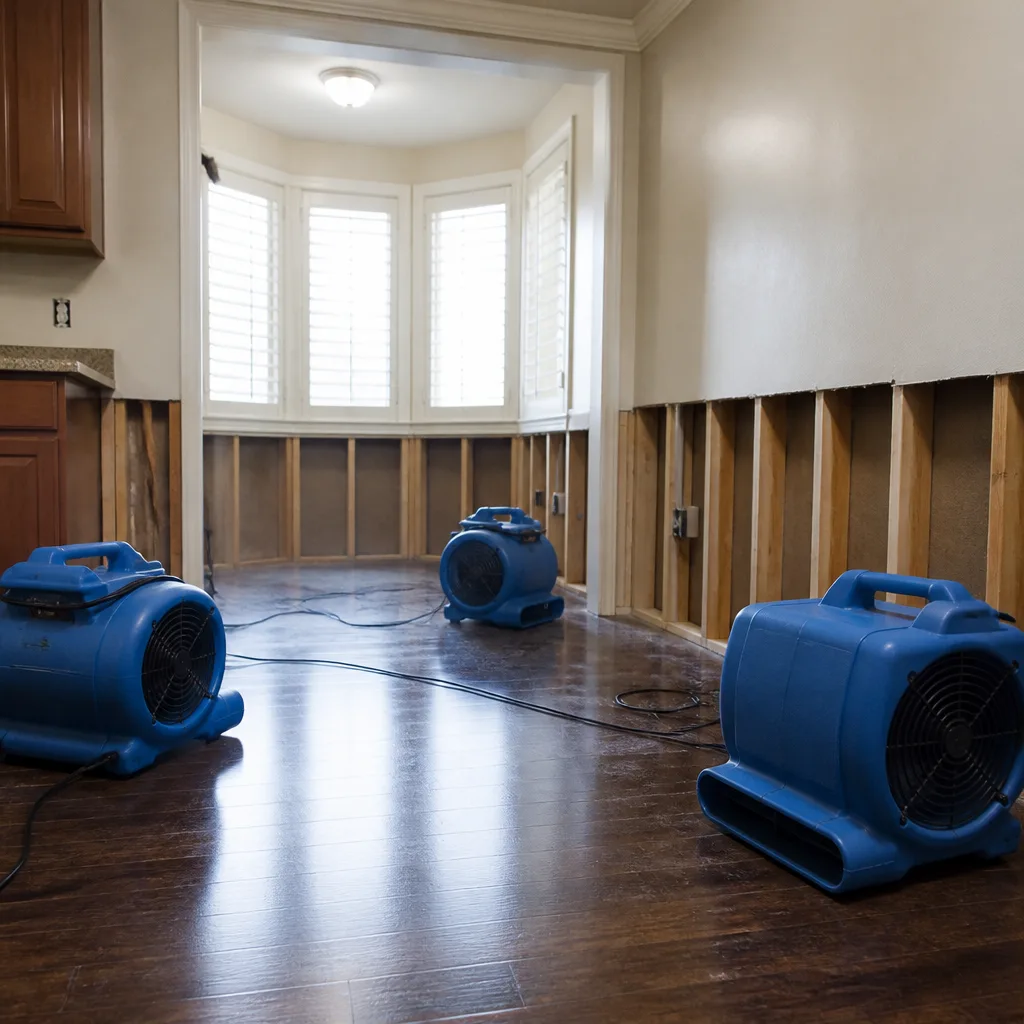
 Mold remediation
 Storm response
 Sewage cleanup
 Reconstruction
Free visual inspection and a written scope of work before any mitigation begins - photos, moisture readings, and drying logs go in your claim file
The scope we write is the scope we bill. Anything new gets shown to you, in writing, before we touch it.
Get your free estimateSeasonal Damage Restoration Care for Fort Lauderdale: Year-Round Homeowner’s Guide
Most Fort Lauderdale roof leaks that show up in July were actually caused by February, when dry-season thermal contraction cracked flashings that spent the summer letting water in one drip at a time. That single fact explains why so many homeowners in Fort Lauderdale feel blindsided by water damage: they’re watching the wrong calendar. This guide walks you through the two real seasons we deal with here, the wet season from June through November and the dry season that creates its own quieter set of problems, and gives you a month-by-month maintenance plan that can save you thousands in restoration costs. For a deeper dive, see our Complete Guide to Damage Restoration in Fort Lauderdale. You’ll learn what to inspect, when to inspect it, what it costs, and when to call someone who does this work every day.
Restoration work we handle
Quick Answer
Seasonal damage prevention in Fort Lauderdale comes down to two windows: use April and May to prepare your home for the six-month wet season, and use January through March to repair dry-season damage while contractor demand is low. The most effective approach is a calendar-driven maintenance routine built around South Florida’s actual climate, not a generic national home-care template. Most water damage here traces back to a handful of predictable failure points: roof flashings, irrigation systems, pipe joints, and drainage paths that get overwhelmed during heavy rain.
Table of Contents
- The Two Real Seasons of Fort Lauderdale
- Month-by-Month Maintenance Calendar
- Dry-Season Risks Fort Lauderdale Homeowners Underestimate
- The Hurricane Prep Window: May 1 to June 1
- Post-Storm Assessment Protocol: What to Document and When
- Why January Through March Is the Best Time for Repairs
- Irrigation Systems and Foundation Water Damage
- Common Mistakes to Avoid
- When to Call a Professional
- Frequently Asked Questions
- The Bottom Line
The Two Real Seasons of Fort Lauderdale
Fort Lauderdale doesn’t have four seasons. It has two: a wet season that runs roughly June through November and a dry season from December through May. Each one stresses your home differently, and each one requires a different kind of attention. The wet season brings daily afternoon thunderstorms, tropical systems, and humidity that routinely pushes past 80% RH, which means relative humidity, the measure of how much moisture the air is holding. The dry season brings lower humidity, cooler nights, and temperature swings that cause building materials to contract. That contraction is where a lot of hidden damage begins.
In our experience across Fort Lauderdale neighborhoods from Victoria Park to Coral Ridge to Rio Vista, the homes that stay dry year-round share one habit: their owners treat maintenance as a calendar discipline, not a reaction to problems. They inspect before the wet season starts, they repair during the dry season when conditions are favorable for drying, and they document everything after storms. The homes that end up with water damage restoration in Fort Lauderdale bills are usually the ones where a small crack in a flashing went unnoticed for six months. A $40 tube of sealant applied in April beats a $4,000 dry-out in August.
Understanding this two-season rhythm is the foundation of everything else in this guide. Once you internalize it, the specific maintenance tasks make intuitive sense. You’re not following a random checklist. You’re responding to the actual forces that act on a South Florida home.
Month-by-Month Maintenance Calendar
Here is a maintenance calendar built specifically for Fort Lauderdale’s climate. Each month addresses the actual conditions you’ll face, not a generic national template that tells you to winterize pipes in October.
January: Interior Inspection and Dry-Season Repairs Begin
The dry season is in full swing. Humidity is at its lowest, which means any hidden moisture in walls or under floors has the best chance of drying out if you catch it now. Walk every room and look for water stains on ceilings, warped baseboards, or a musty smell you’ve gotten used to. Check under sinks for slow drips. Inspect the water heater for rust or puddles. If you find anything, this is the cheapest month of the year to fix it. Contractor demand is at its lowest point, and many restoration companies, including ours, have crews available on short notice. Use this month to schedule any water damage repair you’ve been putting off.
February: Flashing and Sealant Inspection
February is when dry-season thermal contraction is most pronounced. Roof flashings, the metal strips that seal the joints where your roof meets walls, chimneys, or vents, expand and contract with temperature changes. After enough cycles, they crack. February is the month to walk your roof or hire someone to do it and check every flashing for gaps, rust, or lifted edges. The same goes for caulk around windows and doors. Those hairline cracks you see in February become active leaks in July. Pay special attention to flat roofs, which are common on mid-century homes in neighborhoods like Poinsettia Heights and Middle River Terrace. Flat roofs have more seams than pitched roofs, and every seam is a potential entry point for water.
March: Pipe Joint and Irrigation Check
March brings the widest temperature swings of the dry season. Warm afternoons and cool nights cause pipes, especially copper supply lines and PVC drain lines, to expand and contract at their joints. A joint that was marginally sealed last year may start weeping now. Check every visible pipe joint under sinks, behind toilets, and around the water heater. Run a hand along each joint. If it feels damp or shows mineral deposits, schedule a repair. At the same time, audit your irrigation system. Look for sprinkler heads that spray directly onto exterior walls, pooling water near the foundation, or zones that run too long. More on this below. This is also a good month to clean gutters and downspouts, even though the dry season means less debris. You want them clear before April’s pre-season prep.
April: Critical Pre-Season Window Part One
April is the first half of the most important maintenance window of the year in Fort Lauderdale. The wet season is six to eight weeks away. Everything you do now determines whether your home stays dry through November. This is the month for exterior sealing: recaulk windows and doors, repair any cracked flashing you found in February, and check the roof for loose or missing shingles or tiles. Have your roof inspected if you haven’t done it in the last two years. Clean all gutters and downspouts and make sure downspouts extend at least three feet from the foundation. Test your sump pump if you have one. Check the grading around your home. The ground should slope away from the foundation at about six inches of drop over the first ten feet. If it doesn’t, a heavy summer storm will send water toward your slab, not away from it.
May: Critical Pre-Season Window Part Two
May is the second half of the pre-season window, and it’s the month to finish everything you started in April. Complete the hurricane prep checklist detailed below. Verify that all exterior sealant work is done and cured. Inspect your air conditioning drain line. In Fort Lauderdale, your AC runs constantly starting in May, and a clogged condensate drain line is one of the most common causes of interior water damage we see. The line can clog with algae and sludge, then back up and overflow into your ceiling or walls. Pour a cup of white vinegar down the drain line monthly during the wet season, or have an HVAC technician service it. Do not skip this. We’ve seen a $15 drain line clog cause $12,000 in ceiling and drywall damage.
June through November: Wet Season Monitoring
Once the wet season starts, your job shifts from preparation to monitoring. After every heavy rain, check your ceilings for new stains, especially around skylights, vents, and ceiling fans. Look at the walls where your roofline meets the exterior. If you see bubbling paint or peeling wallpaper, you have water getting in somewhere. Keep an eye on your water bill. A sudden unexplained spike often means a slab leak or a running toilet, and in Fort Lauderdale’s sandy, shifting soil, slab leaks are more common than homeowners realize. Clean your gutters monthly during the wet season. A single tropical downpour can fill them with leaves and palm fronds in an afternoon, and an overflowing gutter dumps water straight onto your foundation.
December: Post-Season Assessment
December is transition month. The wet season has ended. The dry season is beginning. This is the time to walk your property and catalog every issue that developed over the summer: cracked caulk, new water stains, peeling paint, soft spots in wood trim. Make a written list. Then prioritize. Items that are actively leaking or showing signs of moisture get addressed immediately. Items that are cosmetic or dry get scheduled for January through March, when you’ll pay less and crews are more available. This one habit, a honest post-season walk, is probably the highest-leverage action in this entire guide. Most homeowners skip it, and then February comes and they’ve forgotten about the stain they noticed in August.
Dry-Season Risks Fort Lauderdale Homeowners Underestimate
The dry season feels safe. The sun is out. The humidity drops. But the dry season creates its own set of structural stresses, and because homeowners aren’t watching for them, they often cause more damage than an obvious summer storm. Here are the three dry-season risks we see most often in Fort Lauderdale homes.
Pipe Joint Stress from Temperature Swings
When the overnight temperature drops from 75 to 55 degrees in January, the copper pipes in your walls contract. When the afternoon sun warms them back up, they expand. Over years of these cycles, the solder at pipe joints weakens. Eventually, a joint starts to weep. Because the leak is slow and often hidden inside a wall, it can go unnoticed for weeks or months. By the time you see the water stain on the ceiling, the damage behind it is already significant. Check accessible pipe joints during the dry season, especially in homes built before 1990. If you find a joint with green corrosion or white mineral deposits, that’s a sign of a slow leak, even if it’s not currently dripping. Have it repaired before the wet season adds pressure from saturated soil.
Flashing Cracks from Thermal Contraction
Roof flashing, which is typically made of galvanized steel, aluminum, or copper, expands in heat and contracts in cold. Fort Lauderdale’s dry season brings exactly the kind of temperature cycling that causes metal fatigue. A flashing that was watertight in August may have a hairline crack by February. During the dry season, that crack lets in the occasional dew or light rain. During the wet season, it lets in a steady stream during every afternoon thunderstorm. The crack doesn’t heal itself. It gets wider. This is why the July roof leak was really a February problem. Inspect your flashings every February. If you see rust, lifted edges, or cracking sealant, fix it then, not in July.
Irrigation Systems That Overwater Foundations
Fort Lauderdale’s dry season is when irrigation systems do their most damage. Homeowners set their sprinklers in March to compensate for the lack of rain, and then never adjust them when the wet season starts. A sprinkler head that sprays directly onto an exterior wall soaks the stucco and can eventually cause efflorescence, the white chalky deposit that appears when water moves through masonry and leaves salt behind. Worse, an irrigation zone that runs too long near the foundation saturates the soil, which expands. When the soil dries, it contracts. This repeated expansion and contraction puts pressure on your slab and can cause hairline cracks, which then become entry points for groundwater during the wet season. Check your irrigation system every March and again every June. Make sure no sprinkler head sprays within two feet of the foundation, and reduce run times once the wet season starts.
The Hurricane Prep Window: May 1 to June 1
Between May 1 and June 1, every Fort Lauderdale homeowner should complete a specific set of maintenance tasks. This is the window when the risk of tropical weather starts climbing and before the daily afternoon storms make exterior work difficult. Here is the list, with what each item costs.
- Storm shutter inspection and operation test. Test every shutter track, hinge, and lock. Lubricate moving parts with a silicone spray. If you have accordion shutters, run them fully open and closed twice. If you have fabric or mesh panels, check for tears. A shutter that jams when a storm is 48 hours out is a serious problem. Cost: $0 if you do it yourself. $150 to $300 for a handyman to service a full set.
- Roof fastener check. Walk the roof or have a roofer do it. Look for loose nails, missing screws, or lifted shingles at the edges, which see the most wind uplift. Pay special attention to the corners and the ridge line. Cost: $0 if you can safely walk your roof. $200 to $400 for a professional roof inspection.
- Generator transfer switch test. If you have a standby generator, run it for 20 minutes under load and verify the automatic transfer switch works. If you have a portable generator, test it and make sure you have fresh fuel and extension cords rated for the load. A generator that fails during an outage can leave your home without power for the sump pump or dehumidifiers. Cost: $0 for a self-test. $150 to $250 for a licensed electrician to service the transfer switch.
- Backflow valve servicing. If your home has a sewer backflow prevention valve, have it inspected and cleaned. During heavy rain, Fort Lauderdale’s stormwater system can overload, and a functioning backflow valve is what prevents sewage from flowing backward into your home. Cost: $150 to $400 depending on the valve type and accessibility.
- AC condensate drain line cleaning. As mentioned above, this is a top cause of wet-season water damage. Have it cleaned and consider installing an overflow shutoff switch that turns off the AC if the drain backs up. Cost: $100 to $200 for a professional cleaning. $150 to $300 for a shutoff switch installed.
Total budget for the prep window: roughly $400 to $1,300 if you hire professionals for everything. That’s a fraction of what fire damage restoration in Fort Lauderdale or water mitigation costs after an event. If you skip the prep window, you’re not saving money. You’re deferring it to a storm that will charge you at a much higher rate.
Post-Storm Assessment Protocol: What to Document and When
After any storm that brings heavy rain or wind to Fort Lauderdale, there’s a specific sequence you should follow. The first 24 hours matter most for insurance purposes, but not everything needs to be documented in the first day. Here’s what to do, in order.
- Photograph everything within 24 hours. Take photos of every room, every exterior wall, the roof line, and the yard. Capture water stains, standing water, damp drywall, or anything that looks unusual. Use your phone’s timestamp. These photos become the baseline for your insurance claim. If you wait a week, the adjuster can argue the damage happened after the storm.
- Stop active water intrusion immediately. If water is still coming in, tarp the roof, move furniture, and place buckets. You don’t need a professional for this step, and you shouldn’t wait for one. A $30 tarp from a hardware store can prevent $5,000 in additional damage.
- Call your insurance company within 48 hours. Report the claim and get a claim number. Do not begin any permanent repairs before the adjuster has seen the damage, except for emergency mitigation like water extraction and drying. Most policies require you to take reasonable steps to prevent further damage, and that’s what emergency mitigation is.
- Contact a restoration company for emergency mitigation if you have standing water or saturated materials. Emergency mitigation is the process of removing water, drying out the structure, and preventing mold. Full restoration, which includes rebuilding drywall, replacing floors, and repainting, comes later. They are two different phases, and insurance treats them differently. Emergency mitigation needs to happen within 48 to 72 hours to prevent mold growth. Full restoration can happen weeks later. Do not let a contractor start rebuilding before the emergency drying is complete.
- Document every conversation. Write down who you talked to, when, what they said, and what they promised. For insurance adjusters, contractors, and restoration companies. This is tedious, and it is the single best way to protect yourself if a dispute arises.
For insurance purposes, the difference between emergency mitigation and full restoration matters. Emergency mitigation stops the damage from spreading. Full restoration returns your home to its pre-loss condition. Many homeowners confuse the two and either wait too long for mitigation or rush into restoration before the structure is actually dry. If you’re unsure which phase you’re in, mold remediation in Fort Lauderdale and water damage professionals can assess it for you. The assessment is usually free.
Why January Through March Is the Best Time for Repairs
If you have existing water damage, from a leak that happened last summer or a slow drip you’ve been ignoring, January through March is the cheapest time to fix it in Fort Lauderdale. Here’s why. Restoration contractors, like all home service businesses, see their demand spike during the wet season and during the aftermath of any named storm. That means June through November is a seller’s market for restoration work. Prices are at their highest. Crews are booked. Response times are longer. The work gets done, but you pay a premium for urgency.
January through March is the opposite. Demand drops. Crews have availability. And because restoration companies would rather keep their technicians working at a lower margin than have them idle, pricing is more negotiable. On mid-size jobs, like a drywall replacement from a ceiling leak or a bathroom floor repair from a toilet overflow, scheduling during the off-peak season can save you $300 to $900 compared to the same work done in August. That’s a real number. We’ve written quotes in January and quoted the same job in July at a noticeably different price, purely because of demand.
Beyond cost, there’s a technical advantage. The dry season’s lower humidity means building materials dry faster and more thoroughly. A repair done in February, when RH runs 50 to 60 percent, cures better than a repair done in August, when RH runs 75 to 85 percent and every joint takes longer to dry. Paint adheres better. Drywall mud dries evenly. Wood trim doesn’t swell after installation. If you have water damage that’s stable and not actively leaking, schedule the repair for the dry season. You’ll get a better result and a lower price.
Irrigation Systems and Foundation Water Damage
We mentioned irrigation earlier, but it deserves its own section because it’s one of the most common and least understood causes of water damage in Fort Lauderdale. Florida homes are built on slabs. Your foundation is a concrete slab that sits on soil. That soil, in Fort Lauderdale, is sandy and drains quickly when it’s not saturated. But when an irrigation zone runs too long or too often, the soil becomes saturated. Saturated soil expands. When it dries, it contracts. Over months and years of this cycle, the slab develops hairline cracks. Those cracks, in turn, become pathways for groundwater to seep up through the slab during the wet season. You’ll see it as persistent dampness on your floors, efflorescence on tile, or a musty smell that never goes away.
The fix is usually simple: adjust your irrigation. Here’s what to check.
- No sprinkler head should spray within two feet of the foundation. Redirect or cap heads that do.
- Zone run times should be adjusted seasonally. Most Fort Lauderdale lawns need less irrigation in December and January, and essentially none during the peak of the wet season. If your sprinklers run in the middle of a July rainstorm, you’re wasting water and stressing your foundation.
- Check for leaks in the irrigation lines themselves. A leaking underground line can saturate the soil around your foundation even when the system is off. If a section of your lawn is always wet or unusually green, investigate.
- Install a rain sensor if you don’t have one. It’s a $30 part that tells your irrigation controller to skip a cycle when it has rained recently. It pays for itself in a month during the wet season.
We’ve seen homes in Fort Lauderdale’s older neighborhoods, like Sailboat Bend and Shady Banks, where foundation moisture problems traced back to a single misdirected sprinkler head that had been soaking the same corner of the slab for years. The repair cost thousands. The fix cost nothing. Check your irrigation in March and again in June. It’s one of the highest-value maintenance tasks in this guide.
Common Mistakes to Avoid
These are the mistakes that lead to most of the water damage we see in Fort Lauderdale. Every one is preventable.
- Using a generic national maintenance calendar. A checklist that says “insulate pipes in November” is useless in Fort Lauderdale. You need a calendar built around the wet and dry seasons. Use this guide instead.
- Skipping the April and May pre-season window. April and May are the two most important months for Fort Lauderdale homeowners. Every task you skip in those two months becomes a potential emergency in August.
- Ignoring slow leaks because they’re small. A slow drip underneath a bathroom sink can saturate the subfloor for months before you notice. What could have been a $200 plumbing repair becomes a $3,000 floor replacement. Slow leaks never fix themselves.
- Letting irrigation run on the same schedule year-round. An irrigation system that was set correctly in March is overwatering by June. Fort Lauderdale’s wet season provides more rain than most lawns need. Adjust your controller seasonally.
- Waiting until after a storm to think about hurricane prep. By the time a storm is in the Atlantic, it’s too late to service shutters, test generators, or find a roofer. The May 1 to June 1 window exists for a reason.
- Starting restoration work before the structure is dry. If a contractor tells you they can rebuild drywall over a damp stud cavity, find a different contractor. Rebuilding over moisture traps mold inside the wall. The drying comes first. Always.
- Not documenting post-storm damage immediately. Insurance claims are built on documentation. The homeowner who takes 100 photos in the first 24 hours gets a smoother claim than the homeowner who calls three weeks later and says “the storm damaged my ceiling” without any evidence.
When to Call a Professional
Many of the tasks in this guide are DIY-friendly. Checking sprinkler heads, cleaning gutters, and photographing your home after a storm are all things a capable homeowner can do. But some situations call for a professional, and knowing the difference matters. Call a restoration professional if you see water stains that keep spreading after you cleaned them once. Call if you smell a persistent musty odor you can’t locate. Call if you find standing water in your crawl space or under your home after the rain has stopped. Call if you see mold covering more than about ten square feet, because mold at that scale requires containment and professional remediation. And call immediately if a water event has soaked into drywall, because drywall that stays wet for more than 48 hours is a mold risk. Dryden Restoration Fort Lauderdale offers free estimates in Fort Lauderdale, call (754) 354-1250 for a free estimate. We’ll tell you what’s an emergency and what can wait. That honesty is the whole point of how we work.
Frequently Asked Questions
Water damage restoration in Fort Lauderdale typically costs between $2,500 and $7,500 for a mid-size job like a ceiling leak or a bathroom overflow, including water extraction, drying, and drywall replacement. For detailed pricing by job type, see our Damage Restoration Cost Breakdown: The Fort Lauderdale Homeowner’s Reference for 2026. Small jobs like a single wall section of drying can run $1,200 to $2,000, while full-room flood mitigation can exceed $10,000. The biggest cost variable is how quickly the water is addressed. Call (754) 354-1250 for an exact quote, estimates are free and we give you a written price before any work starts.
Hurricane season in Fort Lauderdale runs from June 1 through November 30, with peak activity typically from mid-August through late October. That said, the most important window for homeowners is May 1 to June 1, which is when you should complete your storm shutter inspection, roof fastener check, generator test, and backflow valve servicing before the season begins.
Yes, mold can be prevented after a water leak if you dry the affected area within 48 to 72 hours. Mold requires moisture to grow, and once materials like drywall, carpet padding, and insulation get saturated, they need professional-grade drying equipment to reach the low moisture content that stops mold from taking hold. If you can’t dry it yourself in two days, call a restoration company with commercial dehumidifiers and air movers.
Clean your gutters at least four times per year in Fort Lauderdale: once in April before the wet season starts, once in June after the first heavy rains, once in September during peak storm season, and once in December after the wet season ends. Homes with large trees, especially oaks and palms, may need monthly cleaning during the wet season because a single afternoon thunderstorm can fill gutters with debris and cause overflow onto the foundation.
In most cases, yes, standard homeowners insurance covers water damage from hurricanes, but only if the water entered through a storm-created opening, like wind-blown rain through a broken window. Flooding from storm surge or rising groundwater requires a separate flood insurance policy through the National Flood Insurance Program or a private insurer. Fort Lauderdale homeowners should carry both policies, because many hurricane losses involve both wind-driven rain and floodwater, and the insurance company will assign coverage to one or the other.
Water mitigation is the emergency phase: extracting standing water, removing wet materials, and setting up drying equipment to stop further damage and prevent mold. Water restoration is the rebuilding phase: replacing drywall, installing new flooring, repainting, and returning your home to its pre-damage condition. In insurance terms, mitigation is urgent and should happen within 48 to 72 hours, while restoration is scheduled after drying is complete and can happen weeks later.
The Bottom Line
Fort Lauderdale rewards homeowners who work on the calendar, not on the emergency. The wet season from June through November is when the damage happens. The dry season from December through May is when the prevention happens. Use April and May to prepare your home before the rain starts. Use January through March to fix existing damage at the lowest prices of the year. Check your irrigation in March and June. Inspect your flashings in February. Document everything after every storm within 24 hours. These habits, repeated year after year, are what keep a Fort Lauderdale home dry and a restoration bill off your desk. If you ever need help, our team at Dryden Restoration Fort Lauderdale home is here. Call (754) 354-1250 and a live person answers, day or night.
Written by Carl Brandt, Owner at Dryden Restoration Fort Lauderdale, serving Fort Lauderdale since 2005.
See the difference
 Before
 After
After Before
 After
After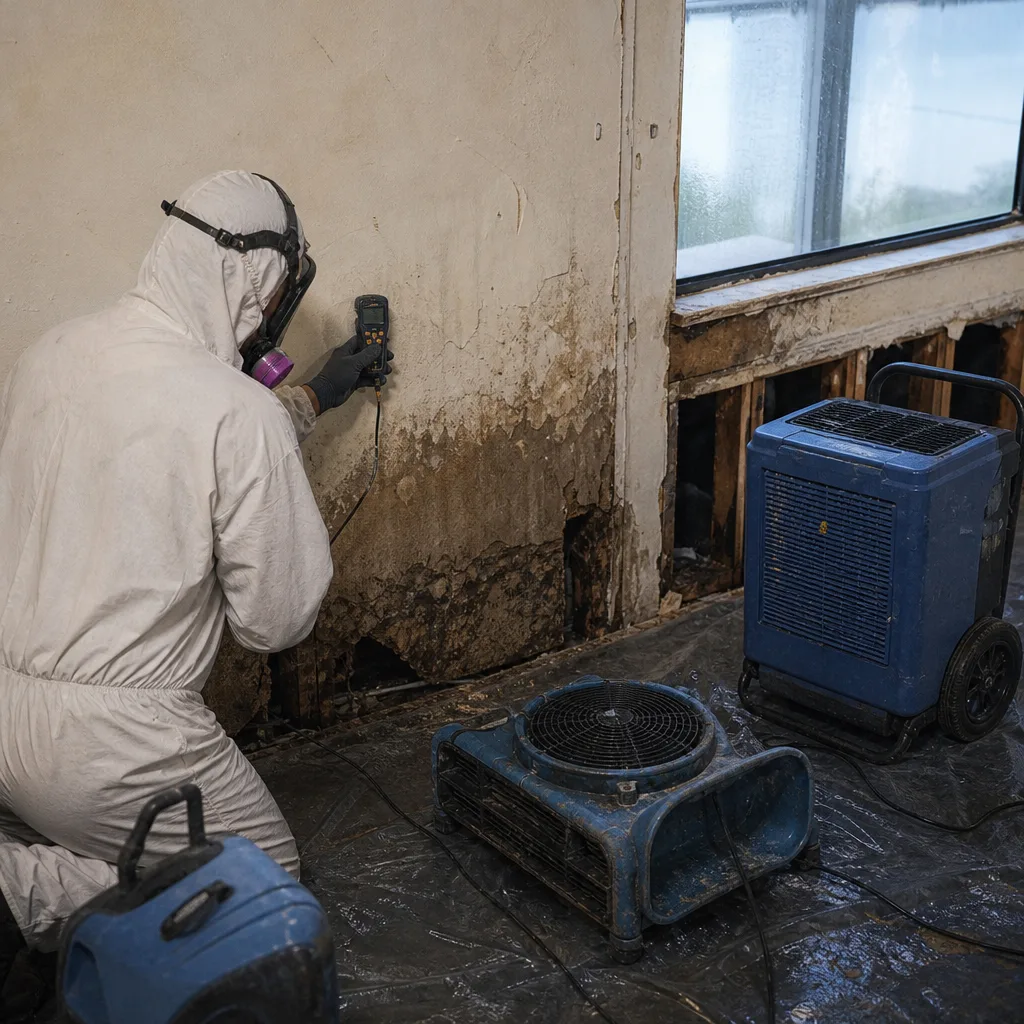 Before
 After
After