
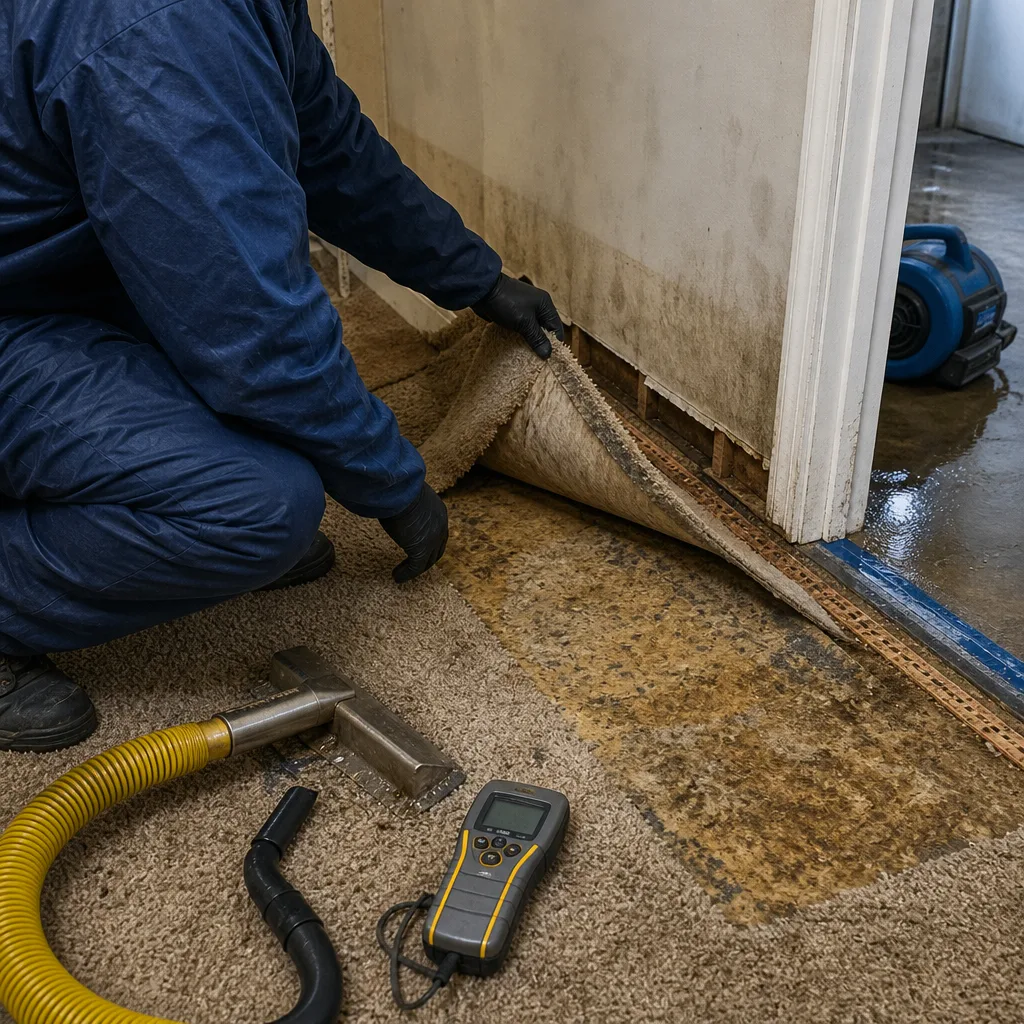
Last updated October 16, 2026
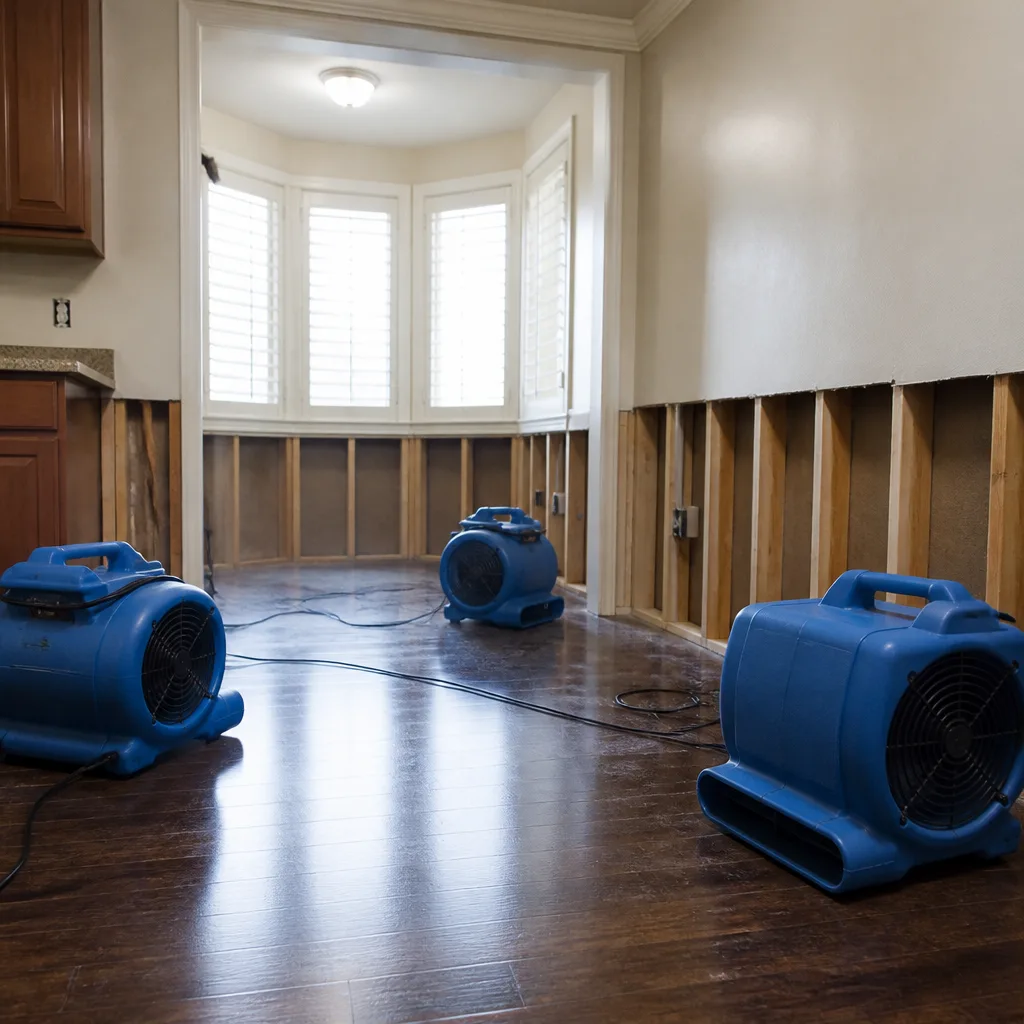 Water damage drying
 Fire & smoke cleanup
 Mold remediation
 Storm response
 Sewage cleanup
 Reconstruction
Free visual inspection and a written scope of work before any mitigation begins - photos, moisture readings, and drying logs go in your claim file
The scope we write is the scope we bill. Anything new gets shown to you, in writing, before we touch it.
Get your free estimateDamage Restoration Warning Signs: A Fort Lauderdale Homeowner’s Reference Guide
That faint musty smell that only shows up when the AC runs isn’t “just how old houses smell.” It’s mold spores being distributed through your ductwork from a moisture source you haven’t found yet. Fort Lauderdale’s humidity sits above 70% for most of the year, which means water intrusion in your home doesn’t dry out on its own. It feeds. This guide walks you through the warning signs most homeowners miss, what they mean, what they cost if ignored, and which ones demand a call within 24 hours. For more guides & resources, see our blog. By the end, you’ll be able to walk your own house on a Saturday afternoon and know exactly what you’re looking at.
Restoration work we handle
Quick Answer
The most common warning signs of damage restoration issues in Fort Lauderdale homes are: musty odors that worsen when the AC runs, white or rust-colored staining on drywall or block walls, bubbling or peeling paint, warped baseboards, unexplained spikes in water bills, and condensation on windows even when the AC is set correctly. Any of these paired with a recent storm, plumbing work, or a clogged drain line indicates active moisture and warrants a professional moisture assessment within 48 hours.
Table of Contents
- What That Smell Is Actually Telling You
- Stains, Streaks, and Discoloration: Reading What Water Leaves Behind
- Textures That Shouldn’t Be There: Bubbling, Cracking, Warping
- Fort Lauderdale-Specific Warning Signs Most Homeowners Never Hear About
- How to Tell a Cosmetic Stain from an Active Leak with a $12 Tool
- The Cost Ladder: What Your $300 Fix Looks Like at Month Six
- The 24-Hour Rule: When to Call Now vs. When You Have a Week
- Common Mistakes to Avoid
- When to Call a Professional
- Frequently Asked Questions
- The Bottom Line
What That Smell Is Actually Telling You
Smells are the earliest and most reliable warning sign of hidden water damage, and they are also the easiest to rationalize away. Here is what specific odors mean in a Fort Lauderdale home.
A musty, earthy odor that gets stronger when the air handler kicks on means mold is already growing somewhere in your HVAC system or in the wall cavities the ductwork passes through. The AC fan pushes air across a wet surface, picks up spores, and distributes them through every vent in the house. In our experience, the most common source in Broward County homes is a condensate drain pan that has been clogged for weeks, flooding the air handler closet with standing water. The smell is not in the ducts. The smell is in the water feeding the ducts.
A sharp, sewage-adjacent smell in a bathroom or laundry room means a wax ring has failed or a drain line has cracked. In slab-on-grade construction, which describes most Fort Lauderdale homes built after 1960, a cracked cast-iron drain line under the slab releases sewer gas and moisture into the concrete, which wicks upward into flooring and drywall. This is a structural and health issue, not a “pour some bleach down the drain” issue.
A damp-gym-sock odor in a closet that shares a wall with a bathroom means slow plumbing leakage behind that shared wall. By the time you smell it in the closet, the wall cavity has been wet long enough to cultivate mold growth. The average homeowner notices this smell two to three weeks after the leak started, based on our service history across Fort Lauderdale neighborhoods like Victoria Park, Rio Vista, and Imperial Point.
Finally, an acrid, chemical odor near an electrical panel or outlet means water has contacted wiring and is causing insulation to overheat. This one is urgent. Turn off the circuit at the panel and call an electrician, then a water damage restoration company. Do not wait for the smell to go away.
Stains, Streaks, and Discoloration: Reading What Water Leaves Behind
Water leaves a distinct visual signature once you know how to read it. Here is the symptom-to-source translation.
- Brown ceiling rings with a defined edge: A one-time overflow event, like a bathtub left running or a roof leak during a heavy storm. If the ring is dry and hard, the leak may have stopped. If the ring is soft or has a yellow center, it is still wet.
- White chalky residue on block walls or concrete: This is efflorescence. It means moisture is wicking through the masonry and evaporating, leaving mineral salts behind. In Fort Lauderdale, this usually means a slab moisture issue or failed exterior waterproofing on a block wall. Efflorescence never appears without an ongoing moisture source.
- Rust-colored streaks down drywall or exposed framing: Water has been contacting metal for an extended period. Common sources include corroding hurricane straps embedded in attic framing, rusting drywall screws, or failing galvanized plumbing. In Fort Lauderdale’s salt-adjacent air, metal rusts faster than homeowners expect.
- Yellow or tan stains on ceilings below bathrooms: Slow plumbing leakage from a tub drain, toilet flange, or supply line. These stains expand gradually over weeks, not days, which means most homeowners watch them grow before doing anything.
- Dark staining at carpet edges along exterior walls: Water is entering where the slab meets the wall. In Fort Lauderdale, this commonly follows heavy rain events when poorly sloped grading sends water toward the foundation instead of away from it.
Each of these stains has a cause, and the cause has a fix. The problem is that the visible stain is almost always smaller than the hidden wetted area behind or above it. Water travels along drywall seams, studs, and insulation, spreading two to three feet horizontally for every foot it drops vertically. A six-inch ceiling stain can easily represent a 20-square-foot wet area in the ceiling cavity.
Textures That Shouldn’t Be There: Bubbling, Cracking, Warping
Textures change before paint fully discolors. Run your eyes over these areas during a walk-through and look for anything that is no longer flat, tight, or aligned.
Bubbling or peeling paint means moisture is trapped between the paint film and the substrate. If the bubble is on a ceiling, suspect roof leakage or AC condensation. If it is on a wall, suspect plumbing inside that wall or moisture wicking from the slab. A bubble that feels cold to the touch is an active wet spot. A bubble that flakes away dry indicates the leak stopped at some point and the area dried, though the drywall underneath may still be compromised.
Warped or curled baseboards mean moisture has been present at floor level for at least several days. Baseboard MDF absorbs water quickly and swells. In Fort Lauderdale’s humidity, once a baseboard has swollen, it never returns to its original shape even after drying. If you see baseboards separating from the wall at the floor line, especially in a bathroom or kitchen, you are looking at either a supply line leak, a drain leak, or slab moisture intrusion.
Wrinkled or buckling vinyl flooring points to moisture trapped between the flooring and the subfloor or slab. Vinyl plank flooring is common in Fort Lauderdale renovations, and it acts as a moisture barrier, meaning water stays trapped underneath and rots the subfloor while the surface looks almost normal for months. If your vinyl floor feels spongy underfoot anywhere, it is wet underneath. Period.
Cracked or crumbling drywall at a corner can indicate structural movement from water-saturated framing. Wood studs that stay wet expand, then contract when they dry, cracking the drywall at seams and corners. If you see a fresh crack below a bathroom or near a water heater closet, moisture is the likely culprit, not foundation settling.
Fort Lauderdale-Specific Warning Signs Most Homeowners Never Hear About
Every climate produces its own water damage signature. Here are the signs specific to Fort Lauderdale that generic home inspection guides never mention because they were written for drier climates.
Stucco cracks near window corners. In Fort Lauderdale, stucco expands and contracts constantly as sun heats the south and west walls, then afternoon thunderstorms drench them. Cracks at the upper corners of window openings are water intrusion points. Rain that hits a stucco wall follows gravity down the crack line, then enters the wall cavity at the window frame. You may not see water inside for months. What you will see, eventually, is paint bubbling around the interior window trim or a soft spot below the window on the drywall. Caulk alone will not fix this. The crack needs to be opened, flashed, and sealed, and the adjacent drywall needs a moisture check.
Popcorn ceiling bubbling around a return air grille. This is the classic signature of AC condensate overflow in Fort Lauderdale, where air handlers run nearly year-round. The drain pan overflows, water runs across the ceiling drywall adjacent to the air handler closet, and the popcorn texture separates and sags in a circular pattern. Homeowners frequently assume it is a roof leak and wonder why a roofer found nothing. If the bubbling is near an interior closet that houses the AC unit, it is condensate. Check the emergency drain line. If it is overflowing, the primary line is clogged. This is a $150 fix today and a $2,000 – $5,000 repair if the drywall and insulation stay wet for a month.
Rust streaks on interior drywall from corroding hurricane straps. Modern Fort Lauderdale homes are built with steel hurricane straps connecting roof trusses to wall top plates. In unconditioned attics, these straps sit in humid air for years. When humidity condenses on the metal, rust forms, and the rust runs down the strap, bleeding through the drywall at the wall-to-ceiling intersection as a rust-colored stain. If you see rust marks on interior drywall near the ceiling, especially after a period of extended AC off-time or a storm, you are seeing metal corrosion inside your wall. This also raises a structural question worth asking your local building inspector about, but the immediate fix is drying the attic and treating the corrosion.
White or tan stains that reappear shortly after painting over them. This is a dead giveaway that the moisture source was never fixed. In Fort Lauderdale, we see this most often after homeowners paint over a water stain to sell a house or to avoid dealing with the underlying issue. The stain bleeds back through the new paint within two to four weeks. Bleeding always means active moisture is still present behind the paint.
How to Tell a Cosmetic Stain from an Active Leak with a $12 Tool
You do not need a contractor to tell you whether a stain is old or active. You need a pin moisture meter, which costs about $12 to $30 at any hardware store in Fort Lauderdale. Here is the process we walk through with homeowners who call us about a stain they found.
- Test a known-dry area first. Pick an interior wall in the middle of the house, away from plumbing and exterior walls. Press the pins into the drywall and note the reading. On a normal interior wall in a conditioned space, the moisture content should be below 10% in drywall.
- Test the visible stain. Press the pins directly into the stained area. A reading of 15% or higher indicates active moisture in that spot.
- Test around the stain, not just on it. Move outward in a grid pattern, testing every six to twelve inches. The highest readings often sit well away from the visible stain because water spreads horizontally before pooling where it finally stains.
- Test the backside of the same wall. If the stain is on an interior wall, test the other side of that wall in the adjacent room. Elevated readings on both sides mean water is saturating the wall cavity, not just the surface.
- Record your readings and test again 48 hours later. If the numbers are stable or rising, the leak is active. If they dropped significantly and stay low, the leak may have stopped on its own, possibly a one-time event.
A pin meter tests surface moisture, not deep cavity moisture. It will not tell you what is happening inside the wall cavity, and it will not work on tile or concrete floors. But for answering the question “is this old or new,” it is the most useful $12 tool a Fort Lauderdale homeowner can own. If the meter reads high, or if you are not comfortable testing, call us at (754) 354-1250. We do not charge for the conversation.
The Cost Ladder: What Your $300 Fix Looks Like at Month Six
Every major restoration job in Fort Lauderdale was once a minor repair that got deferred. Here is the realistic cost progression of the same leak, based on what we see across the Fort Lauderdale restoration market.
Month one: $150 – $400. A small pipe joint is weeping, or a drain line is partially clogged. A plumber diagnoses it in 30 minutes and charges $150 to $400 for the fix. The drywall shows no visible damage. You are done. Total cost: under $500.
Month two: $800 – $1,500. The leak continued because it was never diagnosed. Water has now saturated a section of drywall and insulation. You need the pipe fixed, the wet drywall cut out, the cavity dried, and new drywall patched and painted. This is a two-day job. The Dryden team does this all week.
Month three: $2,500 – $5,000. Mold has started growing behind the drywall. The affected area is larger than the visible stain. You now need mold remediation in addition to the plumbing repair and drywall replacement. Containment is required while the moldy material is removed so spores do not spread through the house.
Month six: $4,000 – $14,000. Mold has established itself in the wall cavity, possibly in the HVAC ductwork, and structural wood is showing signs of rot. Remediation is now a multi-day project requiring professional drying equipment, air scrubbing, and full rebuild of the affected area. If the leak was near the slab, you may be looking at tile removal, cabinetry removal, and parging of a damaged slab edge. This is the job that could have been a $300 visit half a year earlier.
The cost ladder is not linear, and that is the point. Deferral does not add a fixed amount per month. It compounds, because moisture feeds mold, mold feeds on material, and every additional week expands the affected area. Fort Lauderdale’s humidity accelerates every step of this ladder compared to a drier climate.
If you are unsure where you are on this ladder, start with a moisture assessment. At Water Damage Restoration in Fort Lauderdale, we provide a written assessment and price before any work starts, so you always know which rung you are standing on.
The 24-Hour Rule: When to Call Now vs. When You Have a Week
Not every warning sign is an emergency, and panicking is as unhelpful as ignoring. Here is the practical timeline.
Call within 24 hours:
- Standing water anywhere inside the house. Every hour it sits, it wicks further into drywall, cabinetry, and flooring. This includes water from a burst pipe, an overflowing tub, a sewage backup, or heavy storm water intrusion.
- Sewage backup. Black water contains pathogens. This is a health hazard requiring containment, not just cleanup. Call a restoration company tonight, not next week.
- Water contacting electrical outlets, panels, or appliances. Turn off the circuit and call an electrician and a restoration company. This is not a DIY situation under any circumstances.
- A sudden musty smell that appears within 48 hours of heavy rainfall. This means storm water found a path inside and is now sitting somewhere hidden. In Fort Lauderdale’s 60+ inches of annual rainfall, this is common after tropical systems and afternoon downpours.
- Ceiling sagging anywhere. A sagging ceiling holds water. It can collapse without warning. Keep people out of the room and call.
You can take up to one week:
- A small, dry-looking stain with a stable moisture meter reading. Get quotes, ask questions, and schedule the repair on your terms. But do not let it slide past a week, because Fort Lauderdale humidity turns a dry stain into a wet problem quickly.
- Condensation on windows without staining or must. This usually means a humidity control issue rather than active water intrusion. A dehumidifier and AC service may resolve it.
- Hairline stucco cracks without interior staining. Not urgent, but seal them before the next storm. Fort Lauderdale’s afternoon thunderstorms arrive from May through October with almost daily regularity.
- A slow drain you have been meaning to snake. Worth addressing within a week, especially if it is a main line cleanout backing up. A full backup is a 24-hour call. A slow drain is a scheduled call.
The divide comes down to whether water is actively moving through material that should not get wet, or whether the problem is static and contained. Active movement means the clock is running. Static means you have a window. Either way, do not let a wet week become a wet month in Fort Lauderdale.
Common Mistakes to Avoid
- Painting over a water stain without fixing the source. In Fort Lauderdale’s humidity, the stain bleeds through in weeks and the mold behind it keeps growing under the fresh paint. You have now made the repair harder by sealing the warning sign away.
- Assuming a “dry” surface means a dry cavity. Drywall surface dries quickly once the leak stops, but the insulation and framing inside the wall stay wet for weeks. This is why professional drying uses Mold Remediation in Fort Lauderdale protocols that include cavity drying, not just surface drying.
- Running a box fan on wet carpet and calling it dry. A box fan moves air across the surface but does not remove moisture from the padding or slab underneath. This creates the perfect environment for hidden mold growth. Professional drying uses equipment like Dri-Eaz and Phoenix units that pull moisture out of the material, not just across it.
- Ignoring a small stain because “it hasn’t gotten worse.” Slow leaks do not get worse visibly until the material fails. They expand invisibly inside the cavity. By the time a slow leak produces a bigger stain, the hidden damage is already extensive.
- Caulking the inside of a window to stop water intrusion. This traps water inside the wall cavity. Water that enters through stucco cracks or flashing failures needs to be stopped on the outside, not held in on the inside.
- Waiting for insurance to approve before starting mitigation. Most homeowner policies require the homeowner to mitigate damages immediately to prevent further loss. The adjuster will want documentation, which is standard practice in Fort Lauderdale restoration work, including photo documentation and moisture readings. Your policy almost certainly requires you to act, not wait. We photograph everything and work directly with adjusters.
When to Call a Professional
You should call a restoration professional in Fort Lauderdale when any of these apply: water has been present for more than 48 hours; the moisture meter reads above 15% on drywall; you can smell must that worsens with the AC running; you see rust streaks, efflorescence, or recurring stains; water has contacted electrical components; or sewage is involved. These are situations where the hidden damage almost certainly exceeds the visible damage, and DIY fixes will leave moisture in the wall cavity. Dryden Restoration Fort Lauderdale offers free estimates in Fort Lauderdale. Call (754) 354-1250 and a live person answers, any hour, any day.
We are an independently owned and operated Kingswell company, serving Fort Lauderdale since 2005. Every job starts with a written price before any tool is touched, and every repair is covered by our 365-Day Done Right Promise: if a covered repair fails within a year, we return and correct it at no charge. That is the kind of commitment that matters when you have been burned before.
Frequently Asked Questions
The first signs are a musty odor that intensifies when the AC runs, bubbling or peeling paint, warped baseboards, and unexplained stains on ceilings or walls. Fort Lauderdale’s humidity means these signs often appear within two to three weeks of the leak starting, even if the leak itself is hidden. Call (754) 354-1250 for a free estimate and moisture assessment if you spot any of these.
In Fort Lauderdale, minor water damage restoration like a contained sink leak with drywall replacement typically runs $800 to $1,500. Moderate jobs involving multiple rooms or structural drying range from $2,500 to $5,000. Sewage backups or extensive mold remediation run $4,000 to $14,000 or more depending on the size of the affected area. Exact pricing depends on the scope, and we give every customer a written price before work starts.
Most Florida homeowner policies cover sudden and accidental water damage, like a burst pipe or storm water intrusion, but not gradual leaks that occurred over time. The distinction matters to your adjuster, which is why we document everything with moisture readings and photos and work directly with insurance carriers during the claims process.
Mold can begin growing within 24 to 48 hours of water intrusion under Fort Lauderdale conditions. With indoor humidity consistently above 60%, that window is on the shorter end. This is why the 24-hour rule matters. Drying must start immediately, before mold has a chance to colonize the wall cavity.
You can dry minor surface moisture with fans, but floor fans do not remove water trapped in drywall cavities, insulation, or slab flooring. Professional drying in Fort Lauderdale requires equipment like Dri-Eaz and Phoenix dehumidifiers and air movers, plus moisture meters to verify the cavity is actually dry. If the moisture meter reads above 15% after 48 hours of DIY drying, call a professional.
Yes. We photograph all damage, document moisture readings, and coordinate directly with your adjuster. This documentation is part of our standard process on every water damage, mold, and fire damage job in Fort Lauderdale. Call (754) 354-1250 and we will walk through your claim with you.
Call a plumber immediately to locate the leak, and call a restoration company within 24 hours to contain and remediate the affected area. Sewage water is a health hazard. Do not attempt to clean it yourself. Fire Damage Restoration in Fort Lauderdale and sewage cleanup both require professional attention, but sewage is a today-problem.
The Bottom Line
Restoration warning signs in Fort Lauderdale homes are predictable once you know what to look for. Smells that arrive with the AC, stains that reappear after painting, efflorescence on block walls, rust from corroding hurricane straps, and popcorn ceilings bubbling near return grilles are all reading material. Your house is telling you where the water is. The question is whether you act on the first chapter or wait for the expensive ending. A $12 moisture meter, a Saturday walk-through, and a willingness to call early will save most Fort Lauderdale homeowners thousands. If you find something, call (754) 354-1250. We answer live, we assess honestly, and we put the price and the guarantee in writing before we start.
Written by Carl Brandt, Owner at Dryden Restoration Fort Lauderdale, serving Fort Lauderdale since 2005.
See the difference
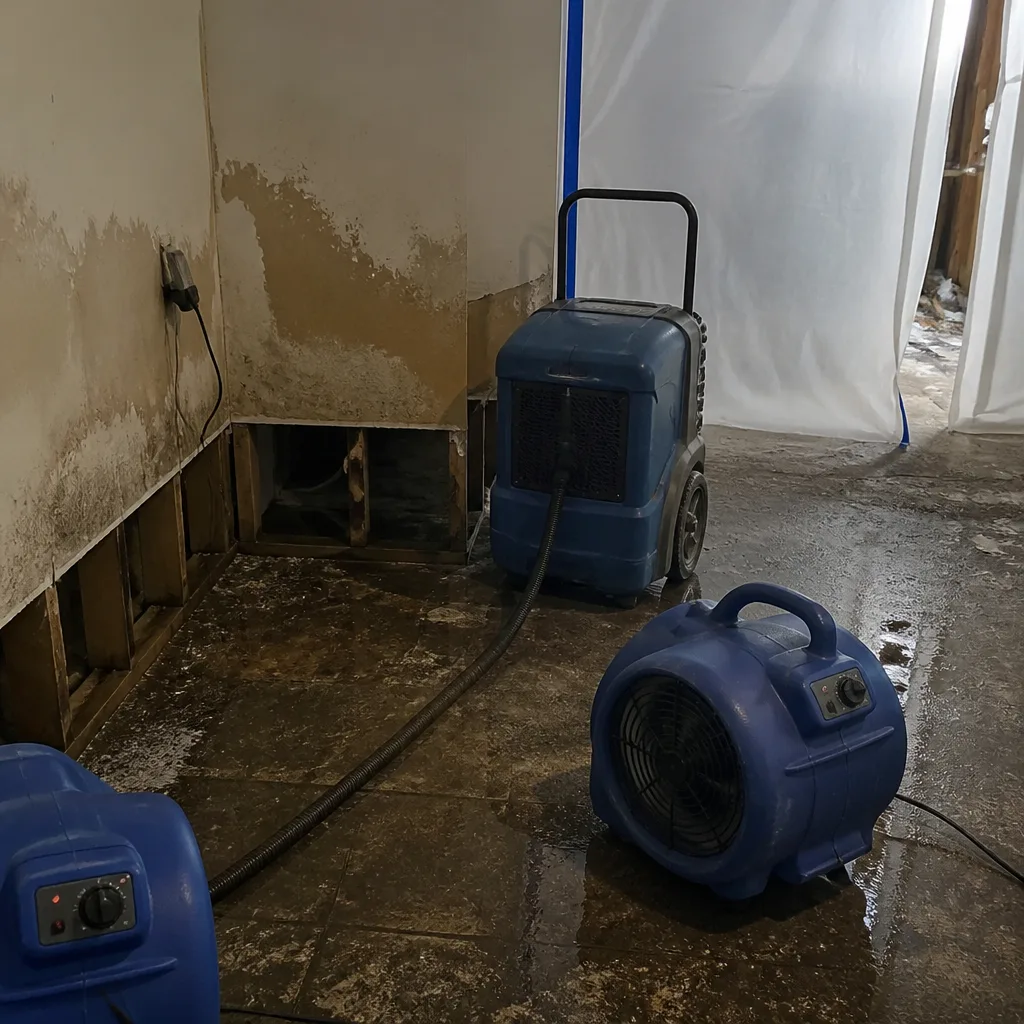 Before
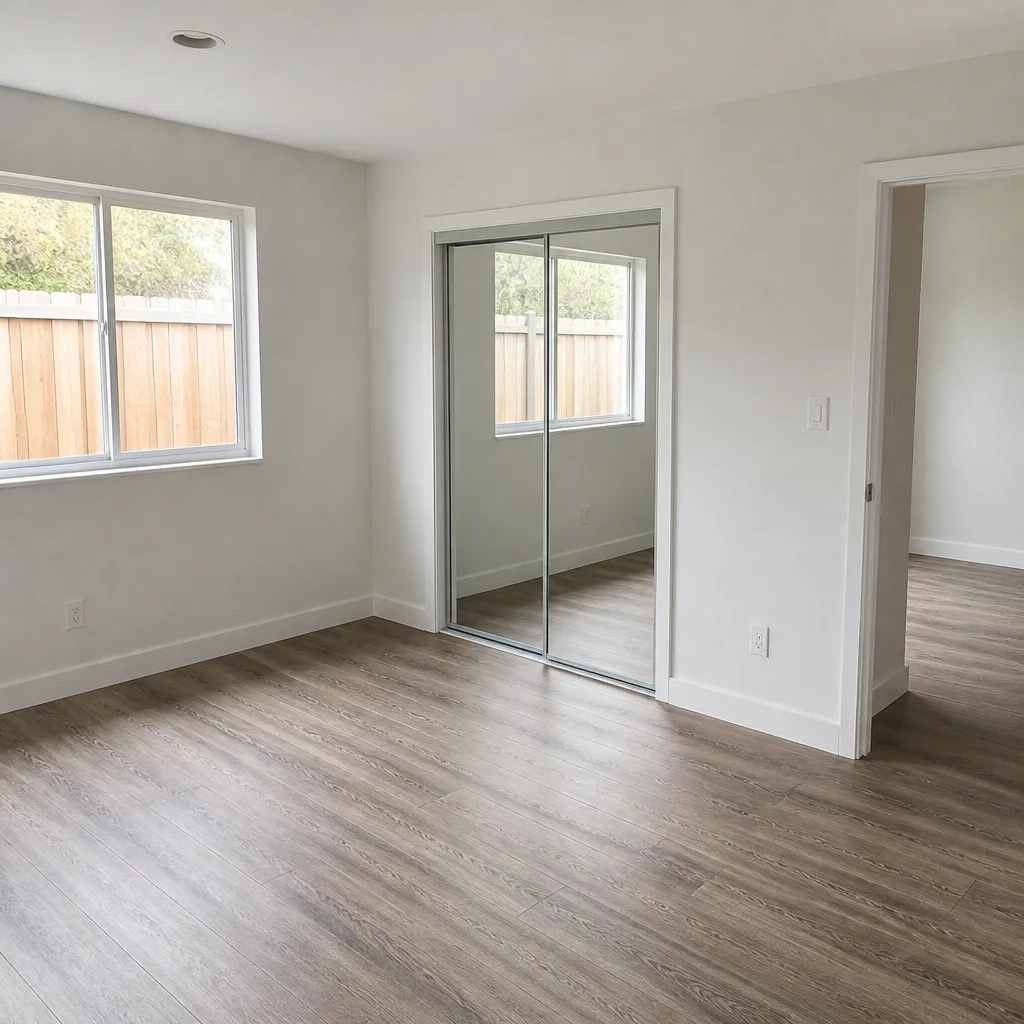 After
After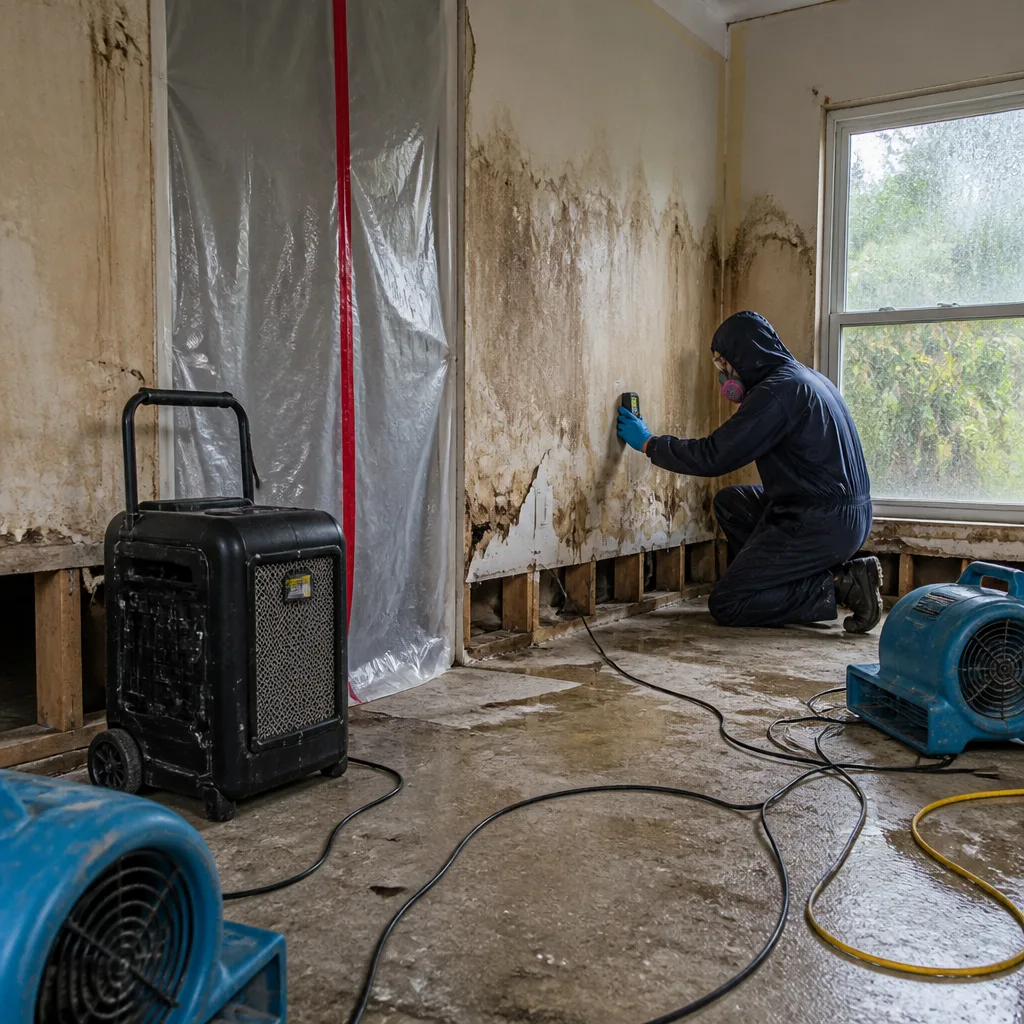 Before
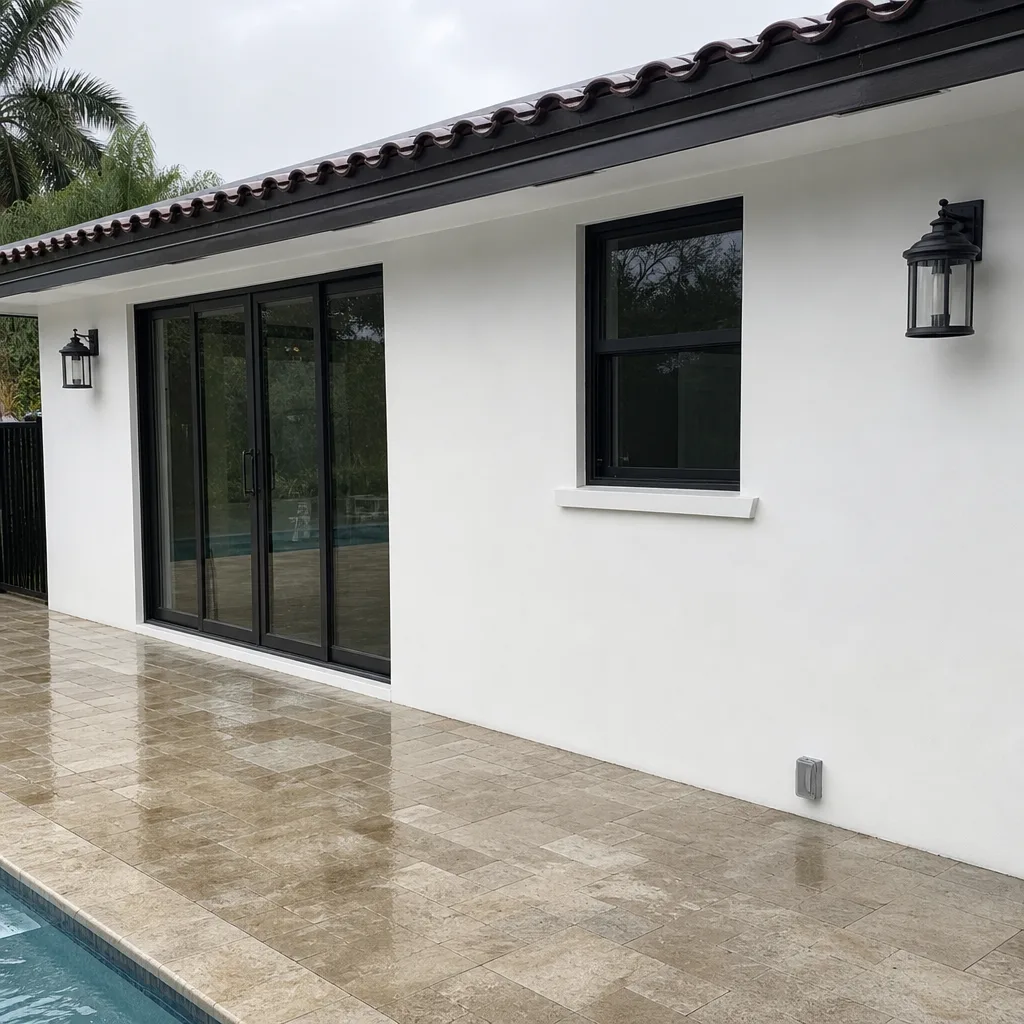 After
After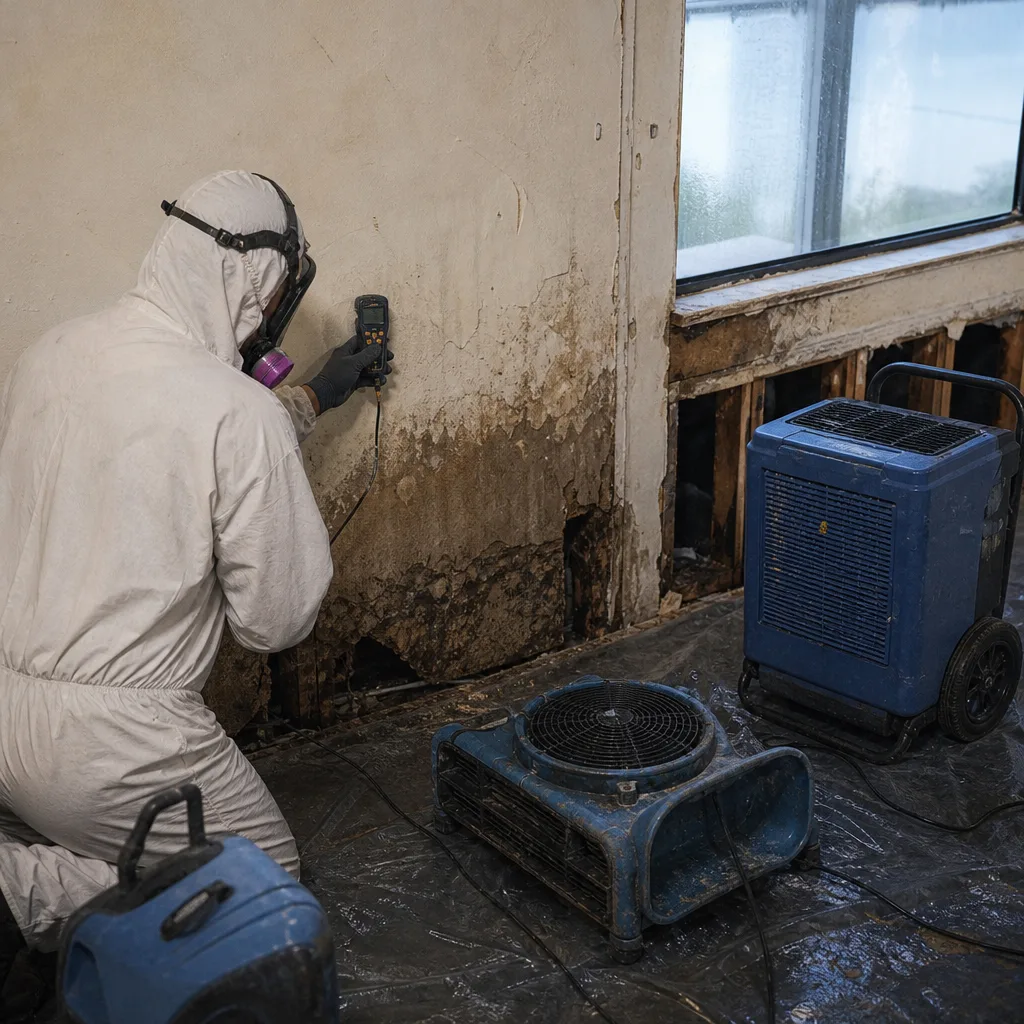 Before
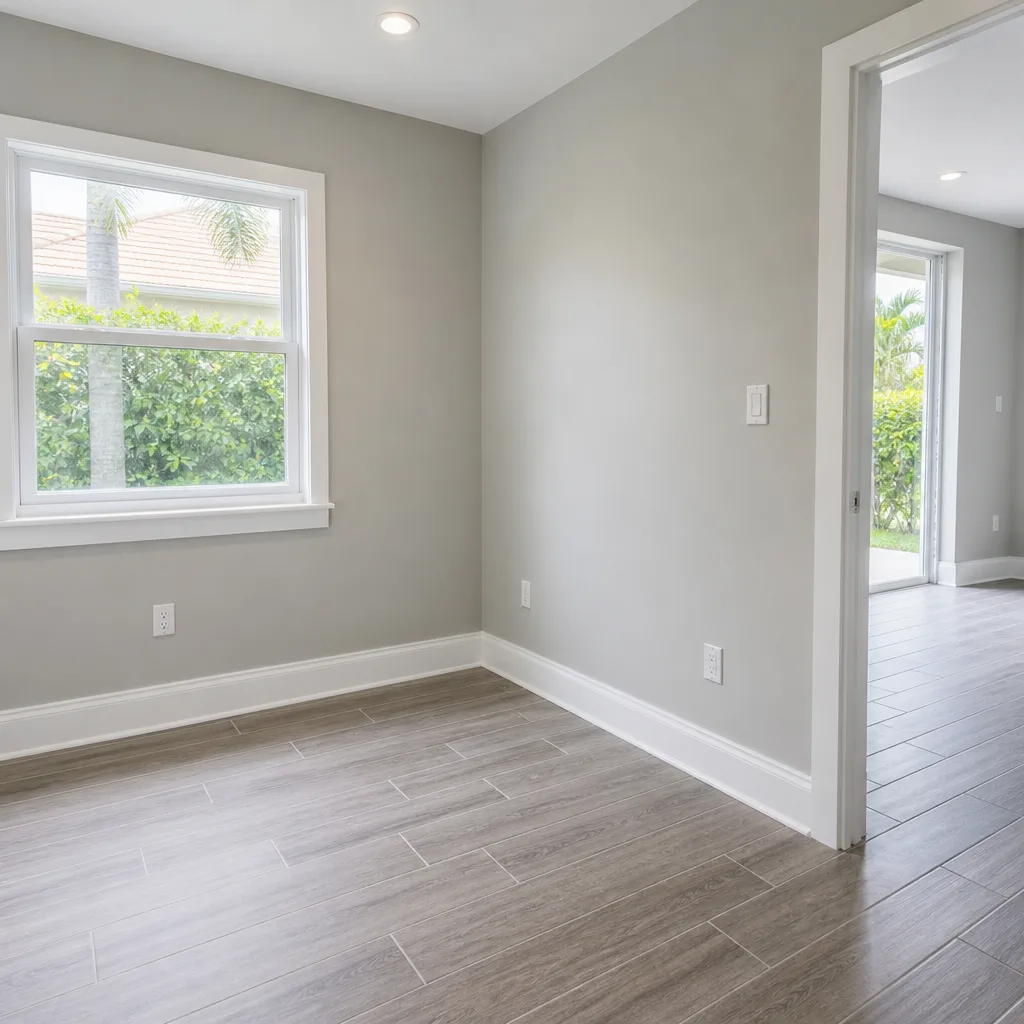 After
After